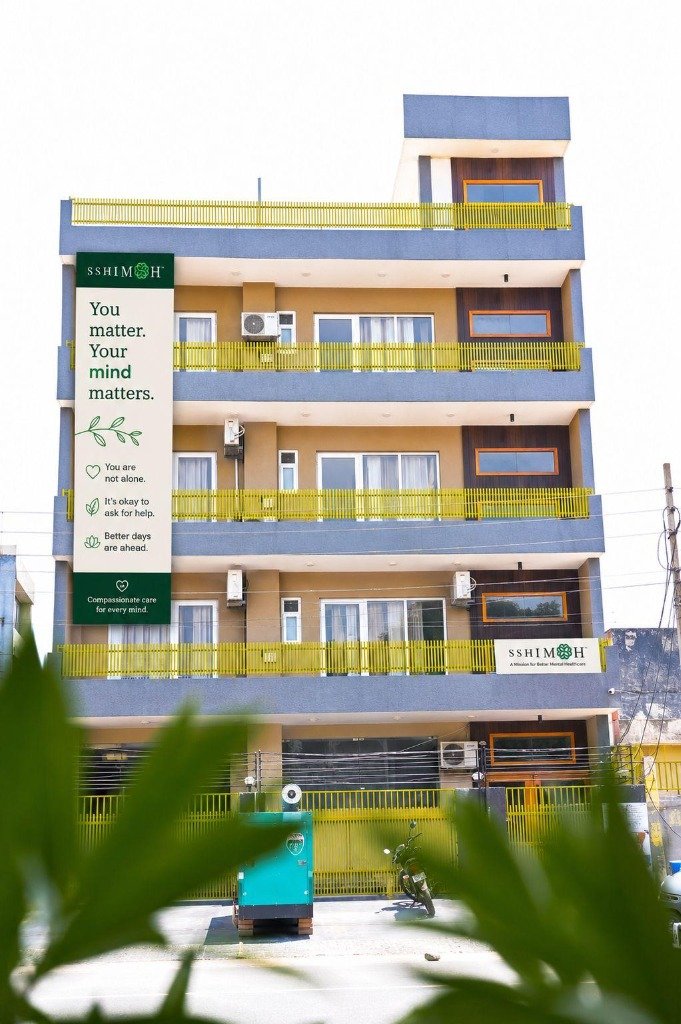









You are not alone. Our team of compassionate professionals is here to listen, support, and guide you on your personal journey to recovery and mental wellness.
Plot No. GT 51, Sector-117, Distt. Gautam Buddh Nagar, Noida, Uttar Pradesh
Main: +91 72669 93399
Support: 24/7 Helpline Available
General: support@sshimoh.com
Appointments: support@sshimoh.com
Fill out the form below and our intake coordinator will reach out to you within 24 hours.
Immediate answers to help you feel comfortable taking the first step.
IPD (In-Patient Department) in mental healthcare refers to structured residential psychiatric treatment where patients stay at the facility under 24/7 medical supervision. It is recommended when symptoms are severe, when safety monitoring is required, or when outpatient care is not sufficient.
IPD programs provide a safe, therapeutic environment that includes psychiatric evaluation, medication management, psychotherapy, nursing care, and daily structured routines to stabilize and support recovery.
IPD services may be appropriate for individuals experiencing:
Severe depression with suicidal thoughts
Acute psychosis or schizophrenia
Bipolar disorder episodes
Severe anxiety or panic crises
Substance withdrawal requiring medical supervision
High relapse risk in addiction
Behavioral instability or inability to function safely at home
When symptoms significantly impair daily functioning or pose safety concerns, short-term inpatient care can provide stabilization and structured recovery support.
IPD programs typically include a combination of:
Comprehensive psychiatric evaluation
Medication stabilization and monitoring
Individual psychotherapy
Group therapy sessions
De-addiction and detox protocols (if required)
Behavioral therapy
Crisis intervention
Family counseling
Structured daily therapeutic activities
Treatment plans are personalized based on diagnosis, symptom severity, and recovery goals.
The duration of stay varies depending on the individual’s condition and response to treatment.
Short-term stabilization: A few days to 1–2 weeks
Structured rehabilitation or addiction recovery: Several weeks
Complex psychiatric conditions: Based on clinical assessment
The goal is stabilization and functional improvement, after which patients transition to outpatient follow-up care.
Yes, family involvement is an important part of psychiatric recovery. Most IPD programs allow structured visiting hours and scheduled family sessions.
Family counseling may also be included to educate caregivers about the condition, treatment process, and relapse prevention strategies.
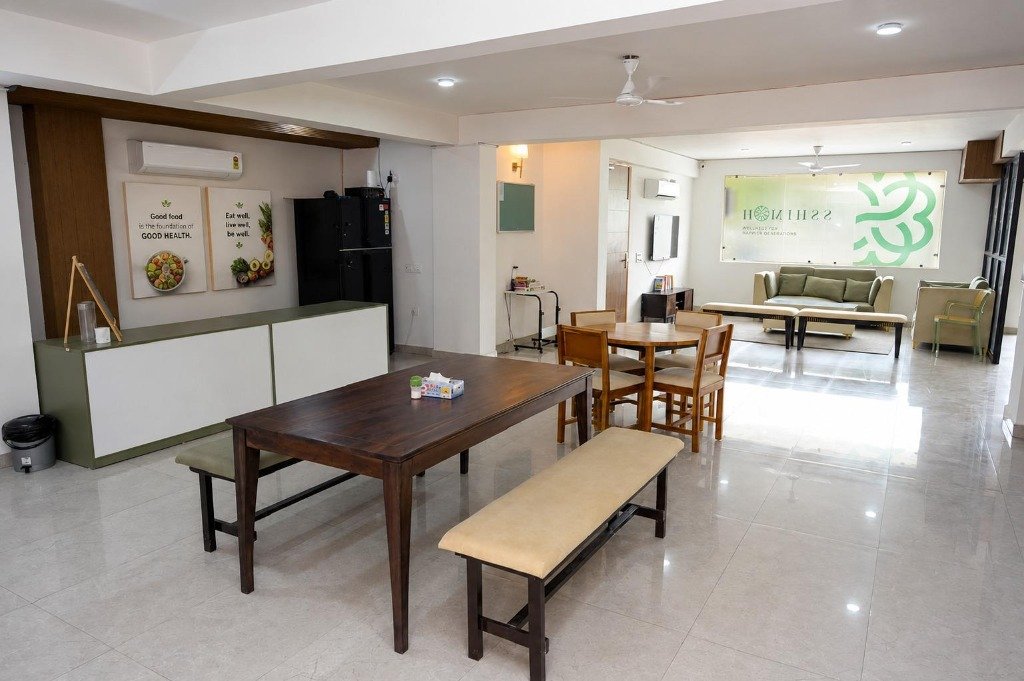
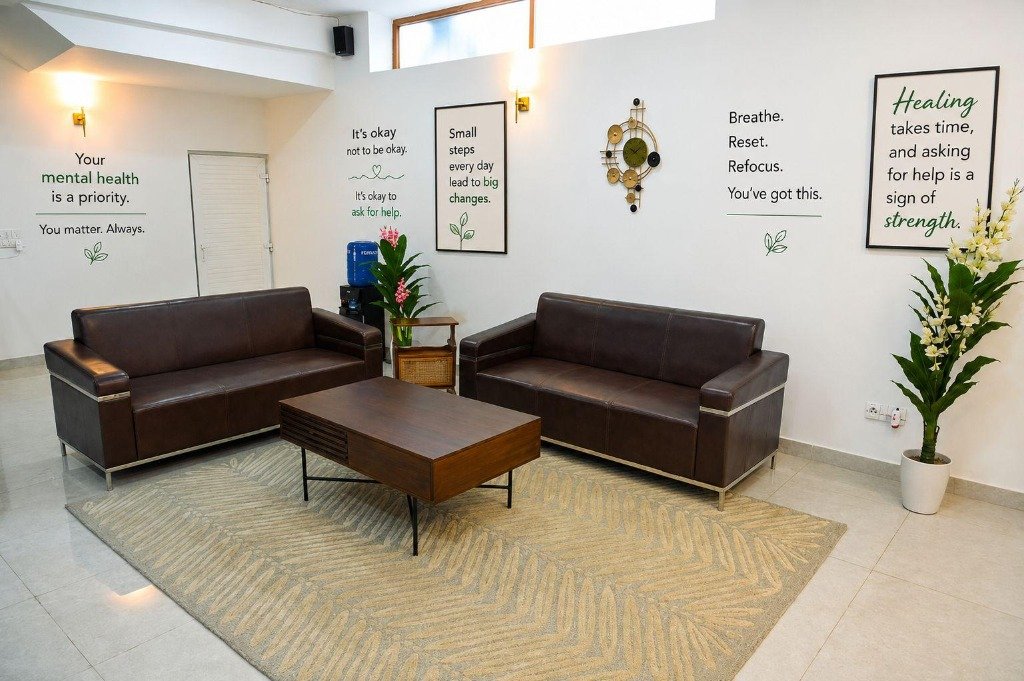
IPD facilities typically include:
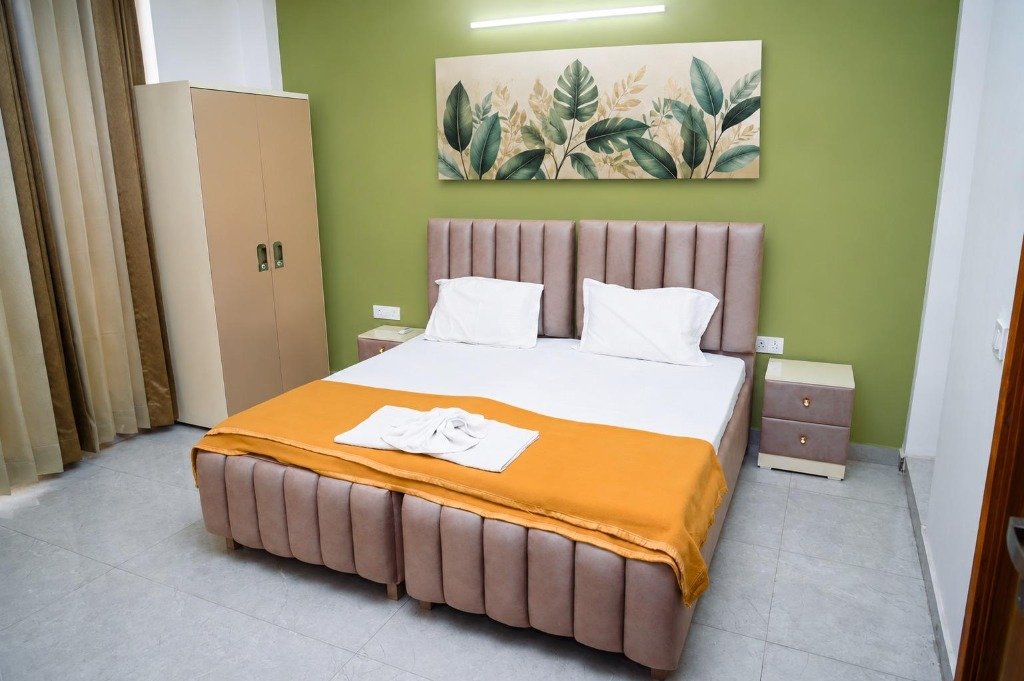
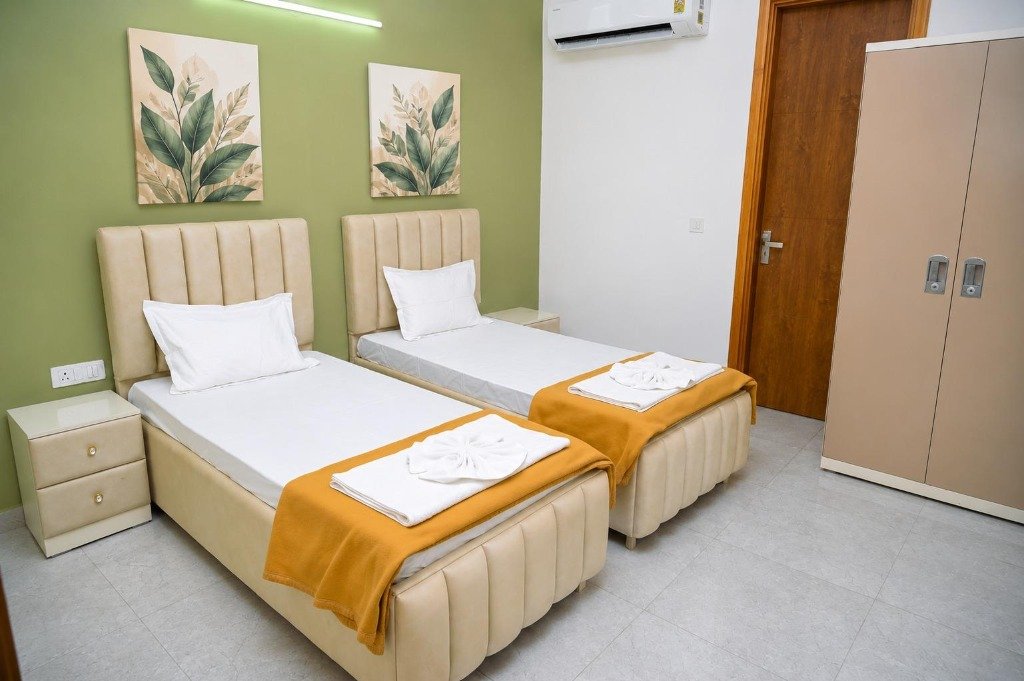
Safe and comfortable residential rooms
24/7 psychiatric and nursing supervision
Structured therapy rooms
Group therapy spaces
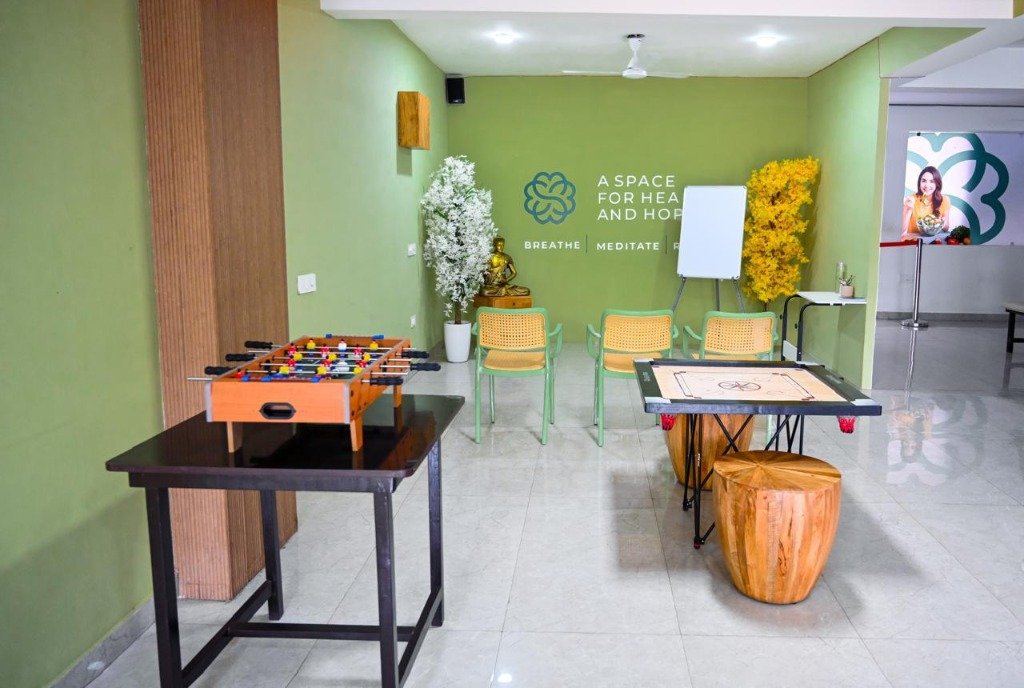
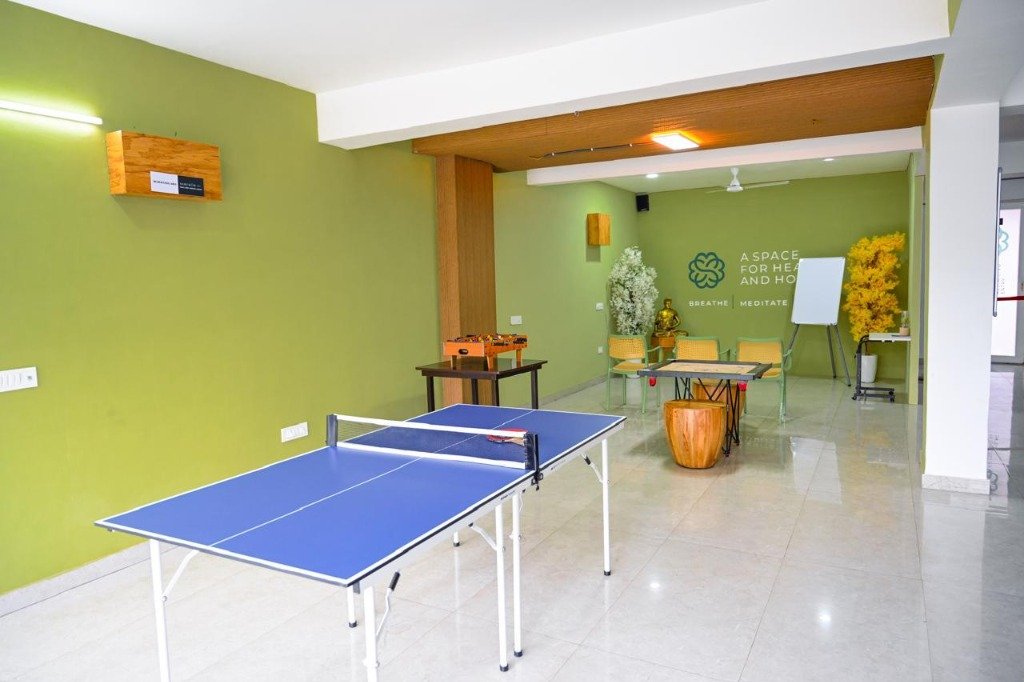
Recreational or wellness areas
Secure and monitored environment
The aim is to provide a therapeutic setting that balances safety, comfort, and structured care.
Yes. Patients receive:
Regular nutritious meals
Medication administration and monitoring
Assistance with daily routines if required
Basic personal care support
Structured daily schedules
The environment is designed to reduce external stressors so patients can focus entirely on recovery.
Absolutely. Continuity of care is essential for long-term stability.
After discharge, patients typically continue with:
Outpatient psychiatric consultations
Medication follow-up
Individual therapy sessions
Relapse prevention programs
Family counseling (if required)
A structured aftercare plan is created before discharge to ensure smooth transition and sustained recovery.
Fill out the form below and our intake coordinator will reach out to you within 24 hours.