
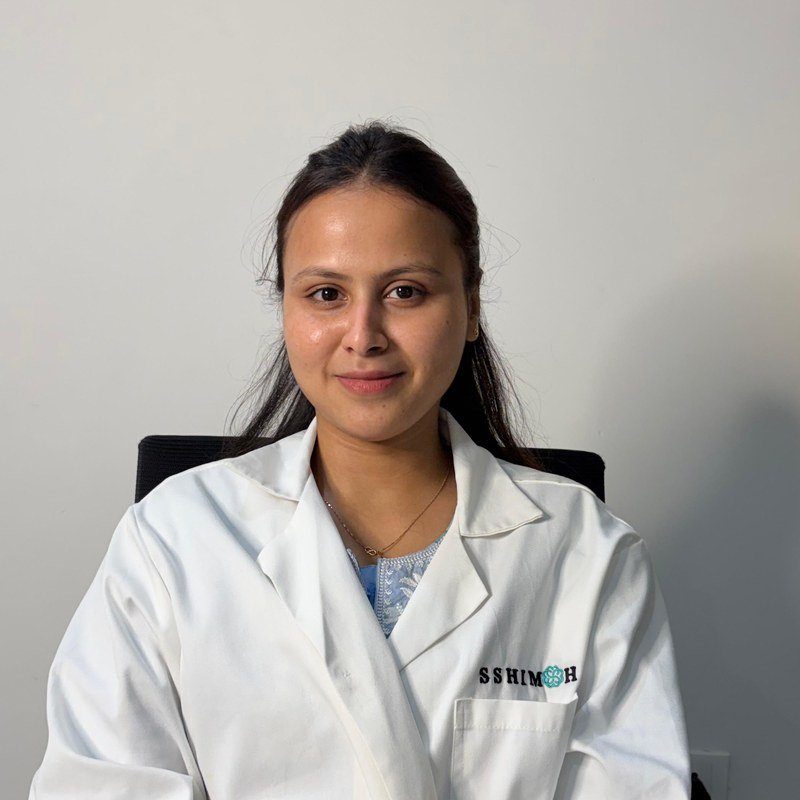
✓ Medically reviewed by Dr. Yesh C Singh – Specialist De-Addiction Psychiatrist, SSHIMOH, Noida.
Alcohol addiction, or Alcohol Use Disorder (AUD), is a complex chronic disease characterized by an inability to stop or control alcohol use despite adverse consequences. Overcoming AUD requires a compassionate, medical, and psychological approach to address both physical dependency and the underlying psychological triggers.
At SSHIMOH, we provide a non-judgmental, integrated treatment program for alcohol addiction. Our multidisciplinary team offers medical detoxification, individual counseling, group therapy, and relapse prevention planning. We treat the root causes of addiction, including trauma and co-occurring mental health disorders (dual diagnosis).

We provide safe, medically supervised detox to manage withdrawal symptoms comfortably and securely.

We simultaneously treat co-occurring disorders like depression or anxiety, which are often the root cause of substance abuse.

Path to Sobriety
Alcohol addiction, also known as alcohol use disorder, is a recognised medical condition in which a person finds it difficult to control their drinking despite the harm it causes to their health, relationships, and daily life. It is not a sign of weak willpower or a moral failing. Changes in the brain's reward and stress systems mean that, over time, drinking can shift from a choice to a compulsion. Understanding this is important, because it removes blame and opens the door to genuine, lasting recovery.
In India, and in busy urban centres such as Noida, alcohol use is often woven into social and professional life, which can make a developing problem easy to overlook. Stigma and the fear of being judged keep many people, and their families, silent for years. We want to offer reassurance: alcohol addiction is treatable, recovery is possible at any stage, and reaching out for help is a courageous and positive step. With the right medical and psychological support, people rebuild their health, their relationships, and their sense of self.
Alcohol use disorder can develop gradually, and the signs are not always obvious, even to the person experiencing them. You may wish to seek support if you or a loved one notice some of the following:
Experiencing even a few of these signs is reason enough to speak with a professional. You do not have to wait until things reach a crisis point to ask for help.
At SSHIMOH, we treat alcohol addiction as the complex health condition it is, addressing the body, the mind, and the circumstances that surround a person's drinking. Care is always personalised, confidential, and free of judgement. Our approach typically combines several elements:
You can read more about how we approach dependency on our addiction page.
Therapy is at the heart of recovery from alcohol addiction. It provides a safe, supportive space to explore why drinking took hold and to learn new ways of responding to stress, cravings, and difficult emotions. Cognitive Behavioural Therapy is widely used and effective, helping you recognise the thoughts and situations that trigger drinking and replace unhelpful patterns with healthier ones. For those who struggle with intense emotions or have a history of self-destructive behaviour, Dialectical Behaviour Therapy teaches mindfulness, distress tolerance, and emotional regulation skills that support sobriety. Family involvement and group support can also be valuable parts of the journey.
For some people, medication forms an important part of treatment. Our psychiatrists may prescribe medicines that ease withdrawal, reduce cravings, or help maintain abstinence, always explaining the benefits and any side effects clearly. Decisions are made collaboratively, with your understanding and comfort as a priority. Medication is never a substitute for the deeper work of therapy, but together they can give recovery a much stronger foundation.
Recovery from alcohol addiction is a journey rather than a single event, and setbacks, if they happen, are not failures. They are part of the process for many people and offer valuable information about what extra support may be needed. We work with you to identify your personal triggers, whether they are particular places, emotions, people, or moments of stress, and to build a practical plan for managing them. This may include developing healthy routines, improving sleep and nutrition, strengthening relationships, finding fulfilling activities, and learning techniques to ride out cravings without acting on them. Ongoing counselling and aftercare help you stay connected and supported as life changes. Over time, many people find that recovery brings not only freedom from alcohol but a renewed sense of purpose, clarity, and wellbeing.
From your very first contact with us, our aim is to help you feel safe, respected, and hopeful. Your journey begins with a confidential assessment in which a member of our team listens carefully to your history, your concerns, and your goals, without judgement. Together we then agree on a clear, personalised treatment plan, which we review and adjust as you progress. Our multidisciplinary team in Noida brings together psychiatric expertise, skilled therapists, and genuine warmth, and we walk alongside you and, where you wish, your family at every stage. Whether you are taking the first tentative step or returning after a difficult period, you are welcome here. If you are ready to begin, you can book a consultation with us and take the first step towards a healthier life.
Regular heavy drinking places a considerable strain on almost every system in the body, and understanding these effects can help motivate change without inviting shame. Over time, alcohol can damage the liver, leading to conditions such as fatty liver, hepatitis, and cirrhosis, and it raises the risk of high blood pressure, heart disease, and stroke. It can disturb sleep, weaken the immune system, contribute to digestive problems, and increase the likelihood of certain cancers. The effects are not only physical: prolonged alcohol use frequently worsens anxiety, low mood, memory, and concentration, creating a difficult cycle in which a person drinks to feel better yet ends up feeling worse. The encouraging news is that the body has a remarkable capacity to heal, and many of these harms begin to improve once drinking stops. Some of the changes people commonly notice as they recover include:
Whatever your history with alcohol, it is never too late for your health to benefit from reducing or stopping, and our medical team will support you through that change safely.
Watching someone you care about struggle with alcohol can be painful, frightening, and exhausting, and families often feel unsure of how best to help. It is important to know that you are not to blame for another person's drinking, and that looking after your own wellbeing is not selfish but necessary. Approaching a loved one with compassion rather than criticism tends to be far more effective, as confrontation and ultimatums often provoke defensiveness and shame. Choosing a calm, private moment to share your concerns honestly, while making clear that your support comes from love, can open the door to change. Encouraging them gently towards professional help, and offering to accompany them to a first appointment, can make a daunting step feel more manageable. Some ways you can offer meaningful support include:
At SSHIMOH we warmly welcome family involvement where the person in recovery wishes it, and we can offer guidance to relatives who want to help in the most constructive way.
Misunderstandings about alcohol dependence are widespread, and they can keep people from seeking the help they deserve. One common myth is that addiction is simply a lack of willpower; in reality, it is a recognised medical condition involving real changes in the brain, and overcoming it takes far more than determination alone. Another is that a person must reach a dramatic rock bottom before treatment can work, when in truth recovery is most successful when help is sought early. Many also believe that someone who holds down a job or hides their drinking well cannot really have a problem, yet high-functioning dependence is both real and serious. There is a further myth that relapse means treatment has failed, when setbacks are a common and understood part of many people's recovery. Letting go of these mistaken beliefs allows people and their families to approach treatment with realistic hope rather than fear or shame, and to understand that asking for help is a sign of strength, not failure.
Alcohol use disorder is a treatable condition, and while professionals tend to speak of recovery rather than a cure, many people go on to live full, healthy lives free from problem drinking. With medical care, therapy, and ongoing support, you can learn to manage cravings and triggers so that alcohol no longer controls your life.
For people who are physically dependent on alcohol, stopping suddenly without support can be dangerous and occasionally life-threatening. This is why a medically supervised detox is so important. We strongly encourage you to speak with a professional before making changes, so that withdrawal can be managed safely.
Yes. Confidentiality is fundamental to our care. Everything you share with our team is private and handled with the utmost respect, in line with professional and ethical standards, so that you and your family can speak openly and without worry.
This depends on your individual needs, the severity of your dependence, and your circumstances. Some people benefit from a period of closely supervised care, while others recover well with regular outpatient appointments. We will recommend the most suitable and least disruptive option after your assessment.
A previous relapse does not mean recovery is out of reach. Setbacks are common and are part of the journey for many people. They offer useful insight into what additional support may help. We will work with you compassionately to understand what happened and to strengthen your plan going forward.
There is no fixed timeline, as recovery is a personal journey that depends on factors such as the severity of dependence, your physical and mental health, and the support around you. Initial detoxification may take a number of days, while therapy, relapse prevention, and aftercare often continue over several months or longer. We will discuss a realistic plan with you after your assessment and adjust it as you progress, always moving at a pace that feels safe and sustainable for you.
Expertise meets empathy. Our world-class team is here for you.
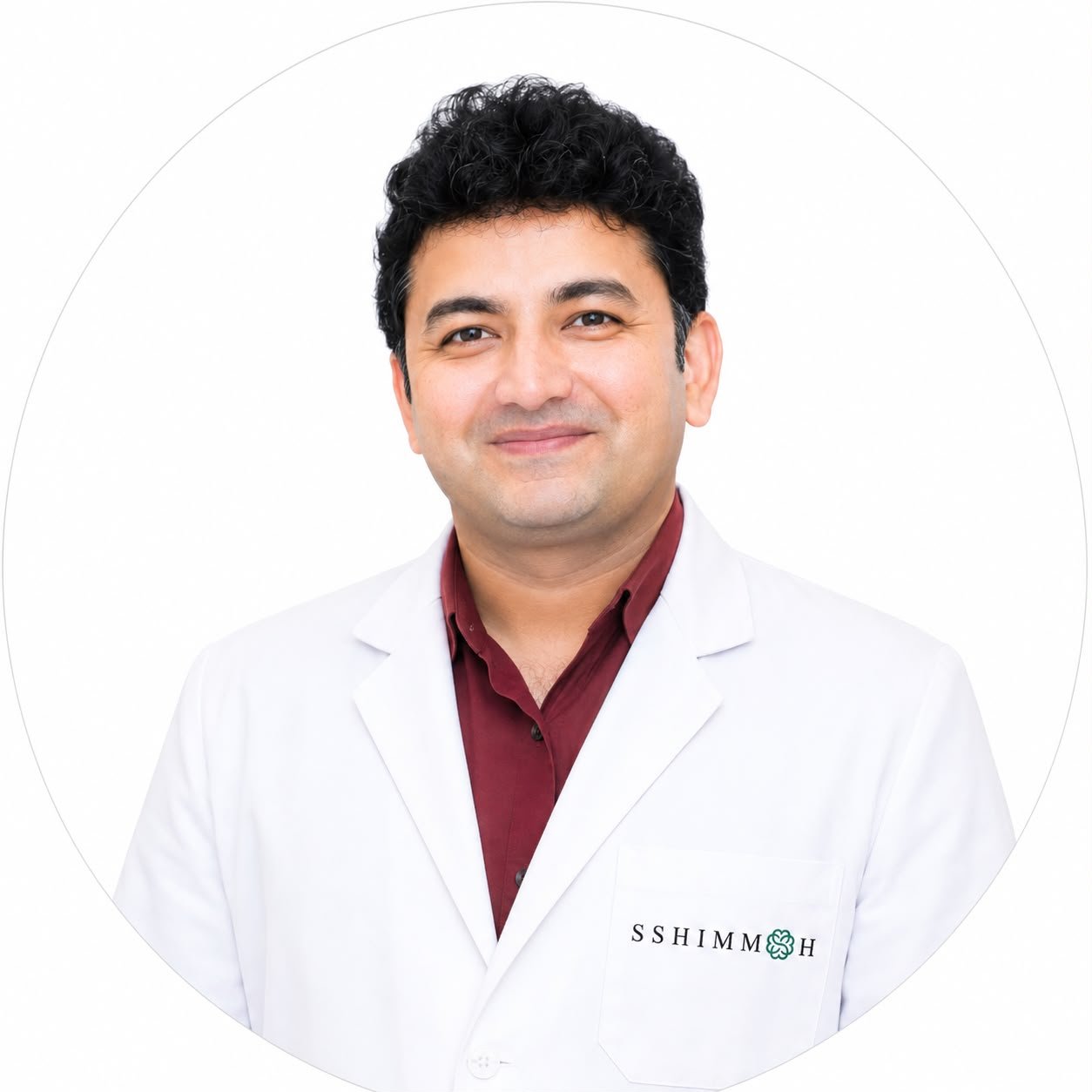
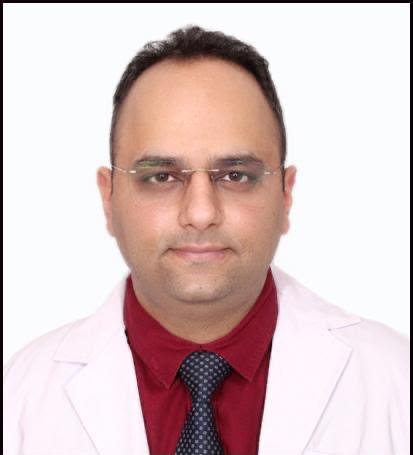
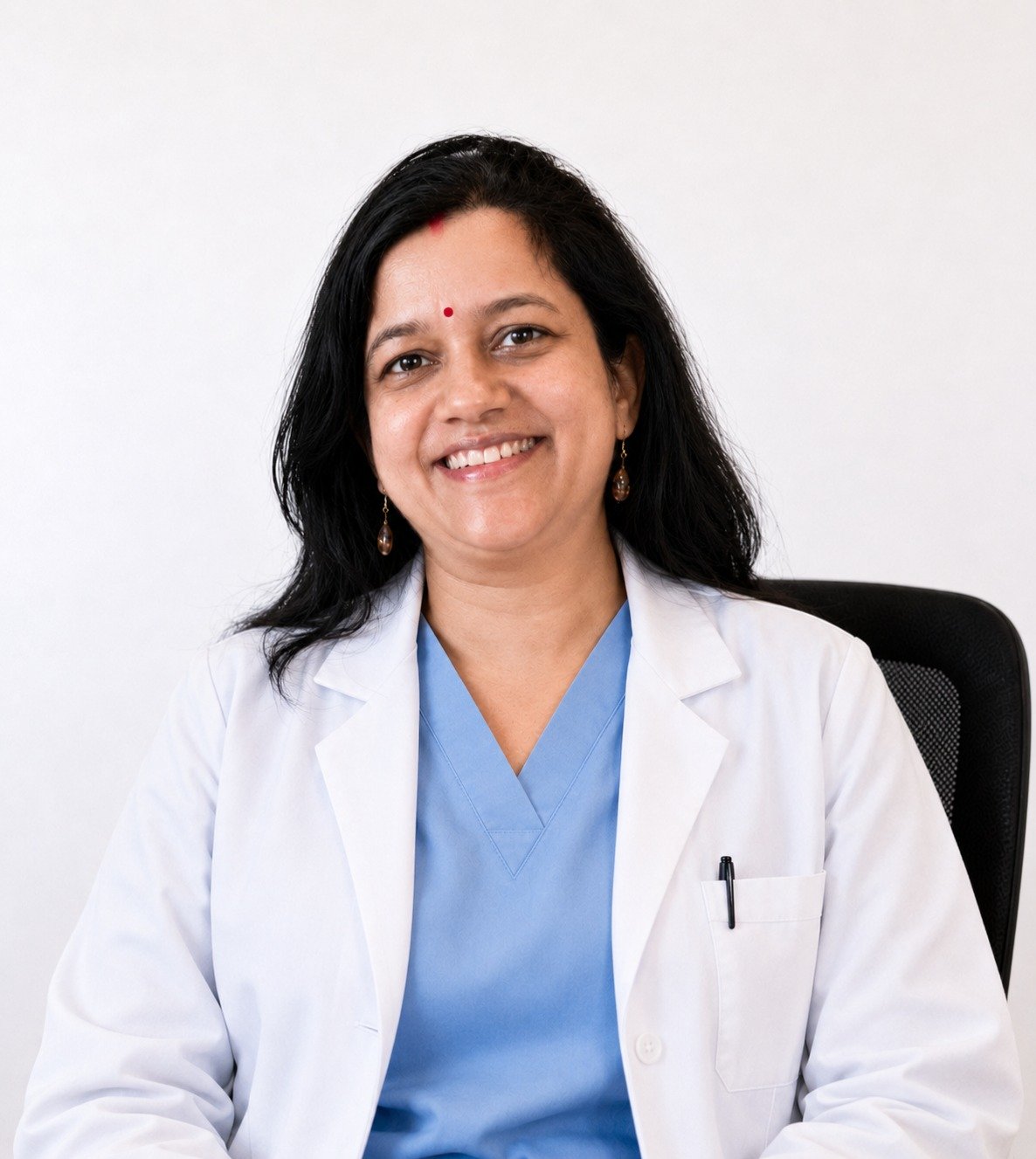


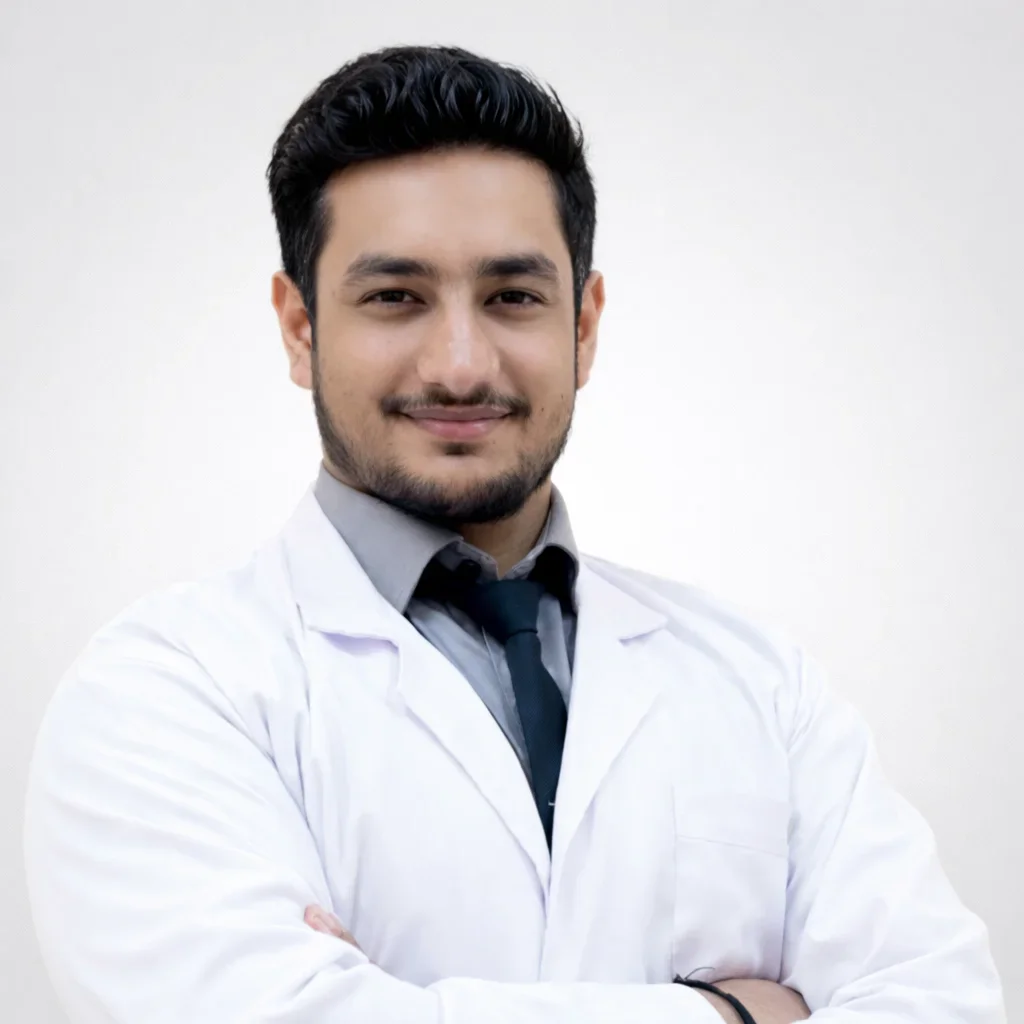
Treatment combines medically supervised detox, therapy (such as CBT and motivational counselling), relapse-prevention and family support — directed by qualified psychiatrists and tailored to each person.
Often yes. Alcohol withdrawal can be medically dangerous, so doctor-monitored detox is the safest way to manage symptoms in the early days of recovery.
In suitable cases, yes — through an outpatient programme with regular therapy and review. More severe dependence usually benefits from inpatient (residential) care.
With ongoing counselling, coping-skills training, and family involvement after detox, so recovery is protected for the long term.
Yes — completely. Your care and identity are protected at every step.
Further reading
Fill out the form below and our intake coordinator will reach out to you within 24 hours.