
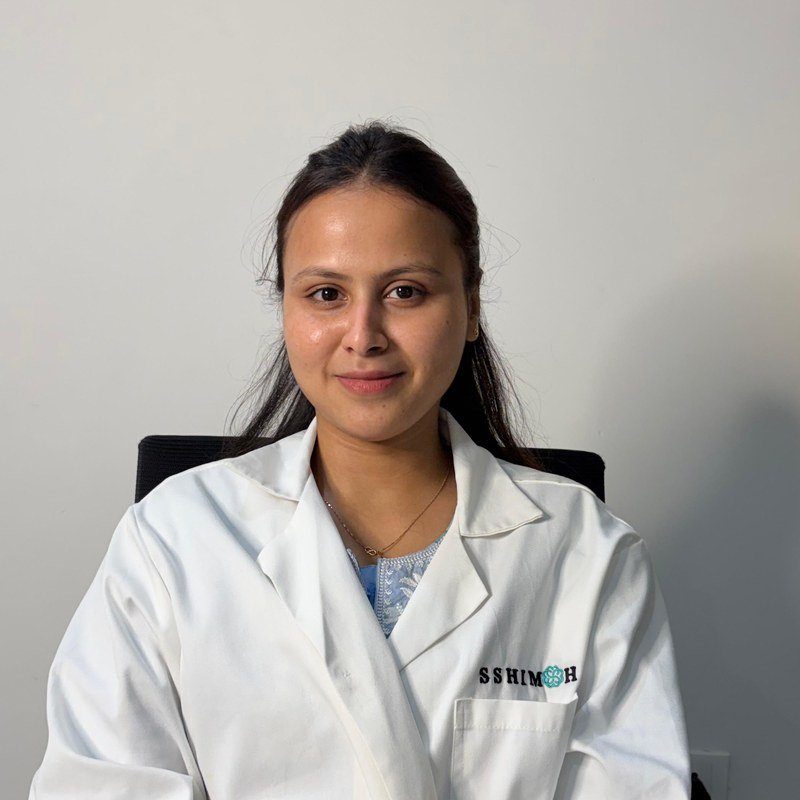
✓ Medically reviewed by Dr. Purvi Vats – Consultant Psychiatrist, SSHIMOH, Noida.
Depression can drain your energy, dim your interest in life, and make even small tasks feel impossible, but it is also one of the most treatable mental health conditions. At SSHIMOH, our compassionate team in Noida helps you understand what you are experiencing and supports you with proven, personalised care. However heavy things feel right now, you can get better, and meaningful relief often begins with a single conversation.
Depression is highly treatable, and the most effective care addresses both the mind and the body. At SSHIMOH, we begin with a careful, confidential assessment to understand exactly what you are experiencing and why. From there, we build an integrated plan that may combine evidence-based psychotherapy, lifestyle and self-care guidance, and, where it is genuinely helpful, medication. Every plan is shaped around your symptoms, history, and goals, and we adjust it as you progress. Our psychiatrists and psychologists work as one team so that your care is coordinated, compassionate, and focused on lasting recovery rather than quick fixes.

No two people experience depression in the same way. We begin by understanding your unique story, symptoms, and goals, then build a treatment plan grounded in proven therapies. Our psychiatrists and psychologists work together so that every element of your care, from therapy to medication if needed, fits your life and supports lasting wellbeing.

Reaching out when you feel low takes courage, and we honour that at every step. SSHIMOH offers a warm, confidential environment where you can speak openly without fear of stigma or judgement. We listen carefully, explain things clearly, and move at a pace that feels comfortable for you, so that healing feels like a partnership rather than something done to you.

Specialized Care
Depression is far more than feeling sad or going through a difficult patch. It is a genuine medical condition that affects how you feel, think, and function from day to day. A person living with depression may lose interest in activities they once enjoyed, struggle to find energy for ordinary tasks, and experience a persistent low mood that does not simply lift with time or willpower. These feelings are not a sign of weakness, laziness, or a character flaw, and they cannot be wished away. Depression involves real changes in the brain and body, and like any health condition, it deserves understanding and proper treatment.
Depression is very common in India, yet many people live with it for years before seeking help, often because they fear judgement, worry about being misunderstood, or assume that low mood is simply part of life. Cultural pressure to stay strong and keep going can make it especially hard to admit that something is wrong. It is not something you should have to endure alone. Depression is one of the most treatable mental health conditions, and with the right support most people recover and rediscover a sense of hope, energy, and purpose. Reaching out for care is not a sign of failure; it is an act of courage and self-respect, and it is often the turning point on the road to feeling like yourself again.
Depression can take several forms, and the right treatment depends on understanding which type you are experiencing. The most common types include:
Depression affects both the mind and the body, and symptoms vary from person to person. Recognising them is an important first step toward getting help.
Emotional and mental symptoms may include:
Physical symptoms may include:
If you ever have thoughts of harming yourself or feel that life is not worth living, please know that you are not alone and that help is available. Reach out to someone you trust and seek immediate support from a mental health professional, a doctor, or an emergency service straight away. These thoughts can ease with the right help, and you deserve that support now.
There is rarely a single cause, and it is important to understand that depression is not something you bring upon yourself. It usually develops from a combination of factors that interact in different ways for different people, and understanding them can reduce self-blame and shame. Common contributors include:
There is no single blood test for depression. Diagnosis at SSHIMOH begins with a thoughtful, confidential conversation in which a mental health professional listens to your concerns, asks about your symptoms, their duration, and their impact on your life. We may use validated questionnaires and, when helpful, check for physical conditions that can cause similar symptoms, such as thyroid problems or nutritional deficiencies. This careful assessment ensures your diagnosis is accurate and your care is tailored to you. There is no need to prepare anything in advance or to have the right words ready; you simply need to come as you are, and we will guide the conversation gently from there.
Depression responds very well to treatment, and most people experience meaningful improvement. There is strong evidence behind the approaches we use, and care is usually most effective when it combines several methods suited to your individual needs rather than relying on any single solution.
From your very first visit, our goal is to help you feel safe, understood, and hopeful. After an initial assessment, we discuss a clear plan together and adjust it as you progress. Our multidisciplinary team in Noida combines clinical expertise with genuine warmth, and we walk alongside you at every stage of your recovery. If you are ready to take the first step, you can book a consultation with us and begin your journey back toward hope and wellbeing.
While the word cure is rarely used in mental health, depression is highly treatable. With the right combination of therapy, lifestyle changes, and sometimes medication, most people achieve significant relief and return to a full, meaningful life, often learning skills that help protect against future episodes.
This varies from person to person. Some people notice improvement within a few weeks, while others benefit from longer-term support. Your treatment plan is personalised, and we regularly review your progress together to ensure it continues to meet your needs.
Not always. Many people improve with therapy and lifestyle changes alone, particularly with milder depression. Medication is one option among several and is only recommended when it is likely to help. Any decision is made collaboratively, with your comfort and understanding as a priority.
Yes. Confidentiality is fundamental to our care. What you share with our team is private and handled with the utmost respect, in line with professional and ethical standards, so that you can speak openly and without worry.
If low mood, loss of interest, or other symptoms are affecting your sleep, work, studies, relationships, or daily happiness for more than two weeks, it is worth reaching out. You do not need to wait until things feel unbearable, and if you ever have thoughts of harming yourself you should seek help immediately. Reaching out early often makes recovery quicker and smoother.
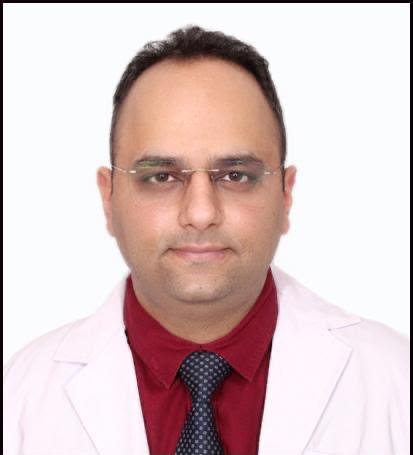
Expertise meets empathy. Our world-class team is here for you.





Fill out the form below and our intake coordinator will reach out to you within 24 hours.