
✓ Medically reviewed by Mr. Shourya Purohit – Clinical Psychologist, SSHIMOH, Noida.
Art Therapy is a mental health profession that uses the creative process of art-making to improve and enhance the physical, mental, and emotional well-being of individuals. It provides a profound alternative to traditional talk therapy, allowing clients to express feelings, resolve conflicts, and gain self-insight through visual media.
You do not need any artistic talent to benefit from our Art Therapy program. Our credentialed art therapists guide you through drawing, painting, sculpting, and collage to explore your inner landscape. We provide a safe, non-judgmental space to externalize internal struggles and process trauma non-verbally.

Art allows you to articulate complex, deeply buried emotions and trauma that are often difficult to put into words.

Analyzing the art you create alongside your therapist unlocks profound subconscious insights and personal growth.

Creative Process
Art therapy is a form of psychotherapy that uses creative expression, such as drawing, painting, sketching, clay work, and collage, as a way to explore and process emotions that can be difficult to put into words. Guided by a trained art therapist, it is not an art class and has nothing to do with talent or producing a beautiful finished piece. You do not need any artistic skill or experience to benefit. The focus is entirely on the process of creating, what comes up for you while you do it, and what your work helps you understand about yourself. For many people, the simple act of making something can open a door to feelings, memories, and thoughts that have stayed locked away.
Emotions do not always arrive in neat sentences. Stress, grief, fear, and confusion are often felt in the body and the imagination long before we can name them. Art therapy offers a gentle, non-threatening bridge between these inner experiences and conscious understanding, allowing the therapist and the individual to make sense of them together. In India, and in fast-paced urban centres such as Noida, where many people feel hesitant to talk openly about mental health, this creative approach can feel safer and less intimidating than conventional talking therapy. At SSHIMOH, art therapy is offered as part of compassionate, holistic mental health care, welcoming people of all ages who are looking for a different way to heal and grow.
Art therapy works on a simple but powerful idea: the things we create can reflect what is happening inside us. When you make a mark on paper or shape a piece of clay, you express something of your inner world without having to find the right words first. A trained art therapist helps you notice patterns, colours, symbols, and choices in your work, and gently invites you to reflect on what they might mean for you. There is never a right or wrong interpretation, and you remain in control of what you choose to share. Over time, this process can ease emotional tension, build self-awareness, strengthen coping skills, and offer a sense of release and relief. The creative space itself becomes a calm, contained place where difficult feelings can be approached safely and at your own pace.
Art therapy can support people facing a wide range of emotional and psychological challenges. It may be helpful for:
An art therapy session usually takes place in a quiet, comfortable room stocked with a variety of simple materials such as paints, crayons, pencils, paper, and clay. Your therapist may suggest a theme or a starting point, or invite you to create freely, depending on what feels right for you that day. As you work, there is no pressure to explain yourself or perform. Once you have finished, or sometimes while you are still creating, the therapist may gently encourage you to talk about your experience, what you noticed, and any feelings that surfaced. Some sessions are quiet and reflective, while others involve more conversation. Everything moves at a pace that feels comfortable, and you are always free to set your own boundaries about what you create and discuss.
One of the strengths of art therapy is how widely it can be adapted. It is suitable for children, adolescents, adults, and older people alike. It can be especially valuable for those who find it hard to express themselves in words, including young children, people who have experienced trauma, and anyone who feels stuck in conventional talking therapy. It can be used on its own or alongside other approaches such as Cognitive Behavioural Therapy and medication, as part of a broader treatment plan. Whether you are navigating a specific condition, working through a difficult life chapter, or simply seeking a healthier relationship with your emotions, art therapy can offer a meaningful path forward. No prior experience with art is ever needed.
At SSHIMOH, art therapy is delivered with warmth, sensitivity, and genuine respect for each person's individual journey. We begin by understanding your needs and goals, then create a supportive creative space where you can explore at your own pace, free from judgement. Our therapists in Noida are committed to making every session feel safe, confidential, and welcoming, whether you are an adult seeking calm from anxiety or stress, or a parent looking for a gentle way to support your child. We see art therapy as one part of holistic, person-centred care, and we are happy to combine it thoughtfully with other forms of support where helpful. If you would like to explore whether art therapy is right for you or your family, you are warmly invited to book a consultation with our team and take the first creative step toward healing.
Children and teenagers often experience emotions far more powerfully than they can put into words, and this gap between feeling and language can leave them frustrated, withdrawn, or prone to behaviour that puzzles the adults around them. Art therapy meets young people where they naturally are, using drawing, painting, and modelling as a familiar and unthreatening means of communication. For a shy child or an adolescent reluctant to sit through a conventional conversation, the chance to express themselves through colour and shape can feel liberating rather than exposing. It allows a therapist to gently understand worries about school, friendships, family changes, or self-image that a young person might never voice directly. In our experience at SSHIMOH, parents are often moved to see how much their child reveals through a simple picture, and how creative work can rebuild a sense of confidence and calm. Art therapy can be especially supportive for young people struggling with anxiety, exam stress, or low mood.
Art therapy is by no means only for the young, and many adults discover it to be a refreshing alternative or companion to talking therapy. Working adults carrying the weight of career pressures, caregiving responsibilities, and the relentless pace of urban life often find that creative expression offers a rare moment of stillness and release. For older adults, art therapy can be profoundly valuable in addressing loneliness, life transitions such as retirement, the grief of bereavement, or the emotional impact of declining health. Engaging the hands and imagination can also gently stimulate memory and cognition, making it a gentle support for seniors living with cognitive changes. Creating something tangible can restore a sense of purpose, agency, and connection at a stage of life when these feelings are sometimes hard to come by. At SSHIMOH, we adapt every session thoughtfully to the individual, ensuring that materials, pace, and themes suit each person's comfort and ability, whether they are managing depression in later life or simply seeking a more reflective space.
While art therapy may feel intuitive and gentle, its benefits are increasingly supported by an understanding of how the brain and body respond to creative activity. Making art engages regions of the brain associated with emotion, memory, and sensory experience, allowing feelings that are stored beyond words to be brought into awareness and processed more safely. The repetitive, absorbing nature of activities such as colouring, sketching, or moulding clay can calm the nervous system, easing the body out of a heightened stress response and into a more settled state. Researchers have observed that engaging in creative work can lower levels of the stress hormone cortisol and encourage a sense of flow, in which worry and rumination quieten. For individuals who have experienced trauma, the indirect, symbolic nature of imagery offers a way to approach painful material without becoming overwhelmed by it. This blend of emotional, neurological, and physiological effects helps explain why so many people find art therapy genuinely restorative rather than merely pleasant.
Despite its growing popularity, art therapy is still surrounded by misunderstandings that can put people off before they ever give it a try. Some assume it is only for the artistically gifted, while others dismiss it as a frivolous pastime rather than a serious therapeutic approach. These misconceptions can prevent people from accessing a form of support that might suit them remarkably well. By clearing away the myths, we hope to make art therapy feel more approachable and genuinely worth considering. It is a structured, evidence-informed practice delivered by trained professionals, not simply a craft session.
What sets SSHIMOH apart is our commitment to truly holistic, person-centred care that treats each individual as a whole person rather than a list of symptoms. Our art therapy is never offered in isolation but woven thoughtfully into a wider understanding of your emotional, social, and physical wellbeing. We take time at the outset to understand your story, your goals, and your comfort, so that every creative session is shaped around you rather than a fixed formula. Our therapists in Noida bring warmth, patience, and professional training to their work, creating a space that feels safe, confidential, and free from judgement. We are equally comfortable supporting a hesitant child, a stressed professional, or an older adult navigating loss, and we adapt our approach with sensitivity in each case. Where helpful, we combine art therapy with other forms of support to build a treatment plan that genuinely fits your life. If this approach resonates with you, we warmly invite you to book an appointment and begin your journey with a team that cares.
Not at all. Art therapy has nothing to do with artistic skill, talent, or producing something beautiful. The value lies entirely in the process of creating and in what it helps you express and understand. People who have never picked up a paintbrush benefit just as much as those who draw regularly. There is no judgement and no right or wrong way to take part.
An art class teaches techniques and aims to improve your artistic ability. Art therapy is a form of psychotherapy guided by a trained therapist, where the goal is emotional healing and self-understanding rather than skill. The finished piece matters far less than what the act of creating reveals and how it helps you process your feelings.
Yes. Children often find it much easier to express their feelings through drawing and play than through words, which makes art therapy a particularly gentle and effective approach for young people. It can help children communicate worries, fears, and emotions they may not yet have the language to describe, in a safe and supportive setting.
Absolutely. Art therapy works well on its own and as part of a wider treatment plan that may include talking therapies such as Cognitive Behavioural Therapy or, where appropriate, medication. At SSHIMOH, we tailor your care to your needs and will discuss the most helpful combination of support with you.
Yes. Confidentiality is central to our care. Both your artwork and anything you discuss in your sessions are treated privately and with the utmost respect, in line with professional and ethical standards, so that you can express yourself freely and without worry.
There is no fixed timetable, as the length of a course of art therapy depends entirely on your needs and goals. Some people find a few sessions enough to work through a particular difficulty, while others benefit from longer-term support over several months. At SSHIMOH, we review your progress together regularly and adjust the plan to suit you, so that therapy continues for as long as it remains genuinely helpful and no longer.
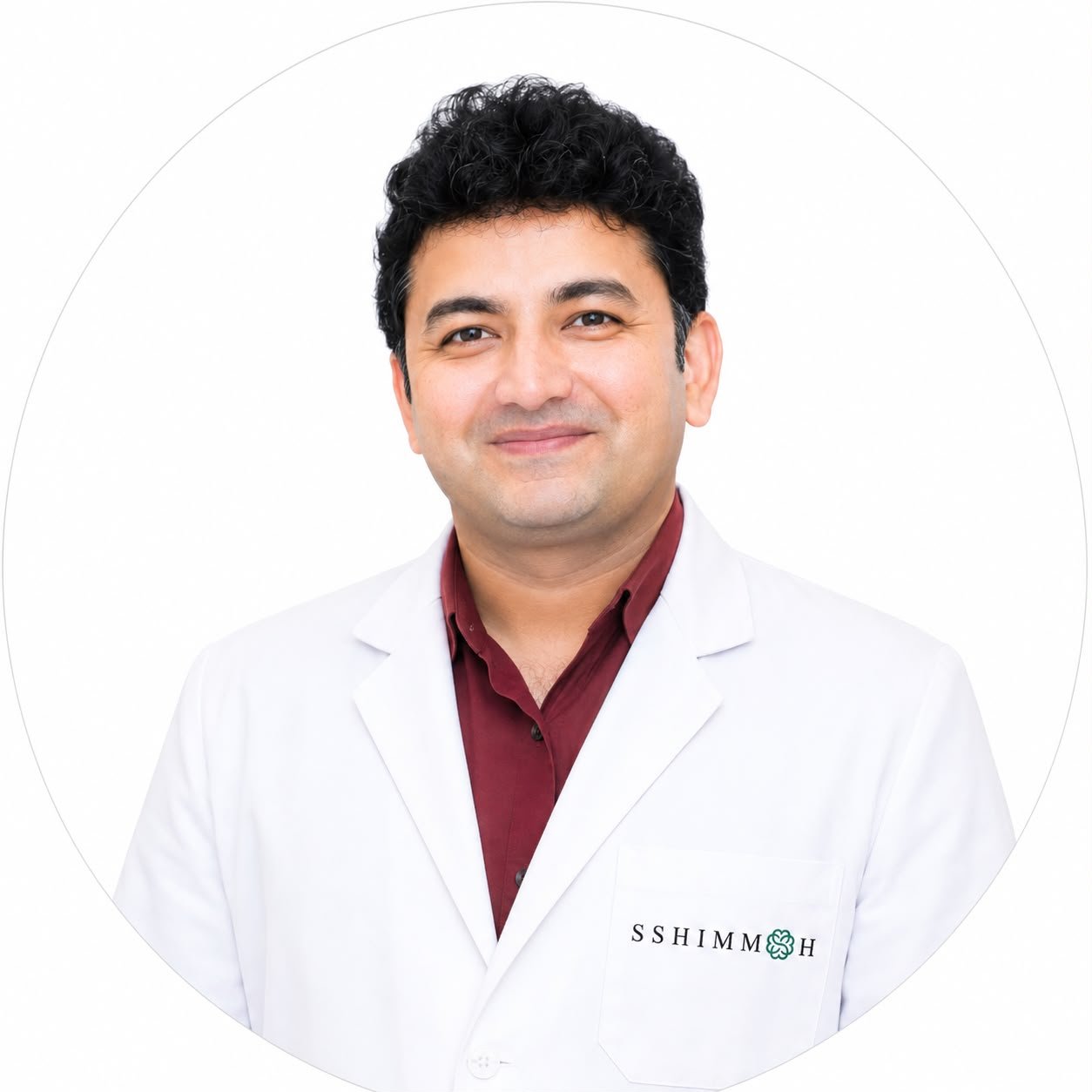
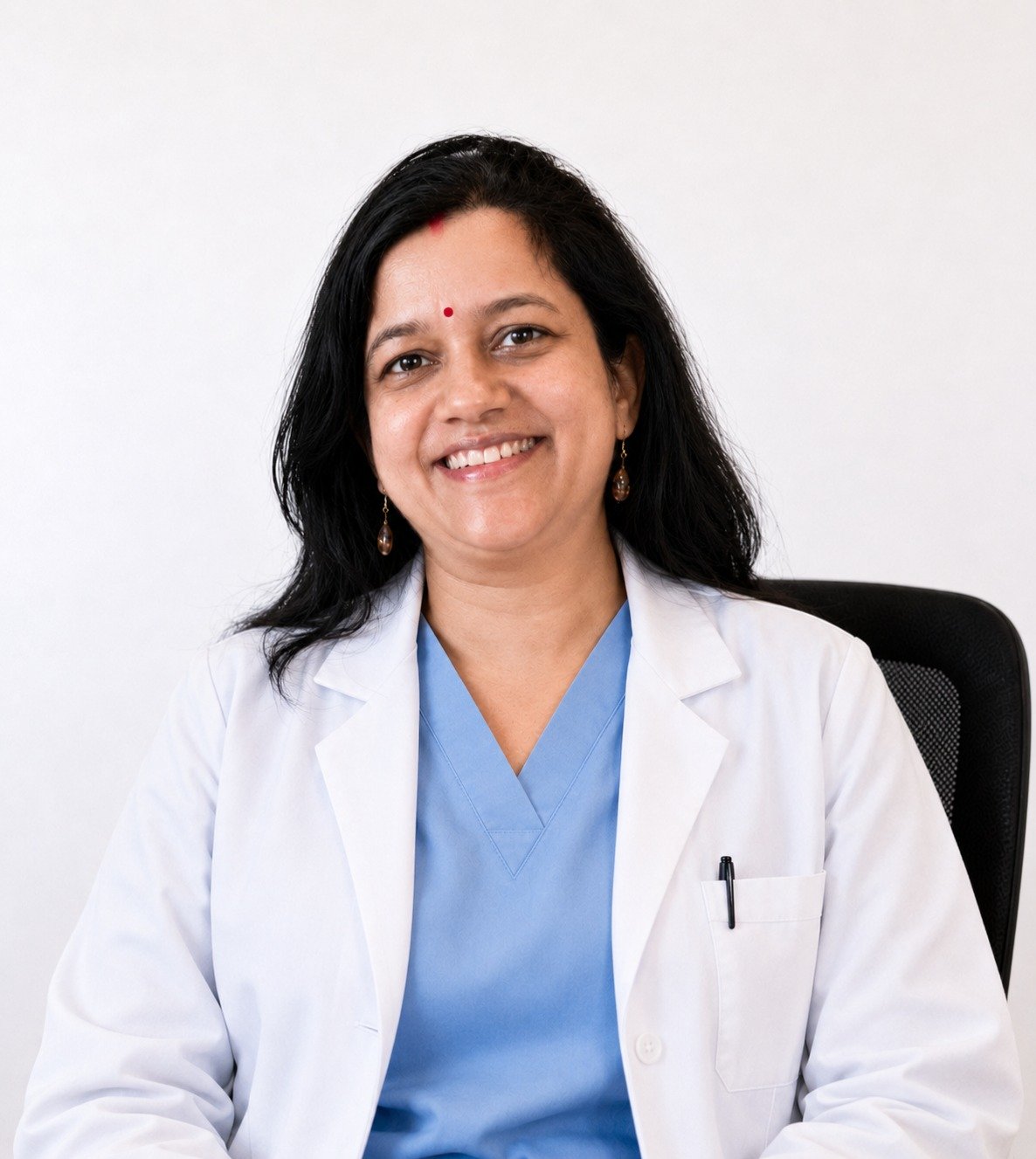
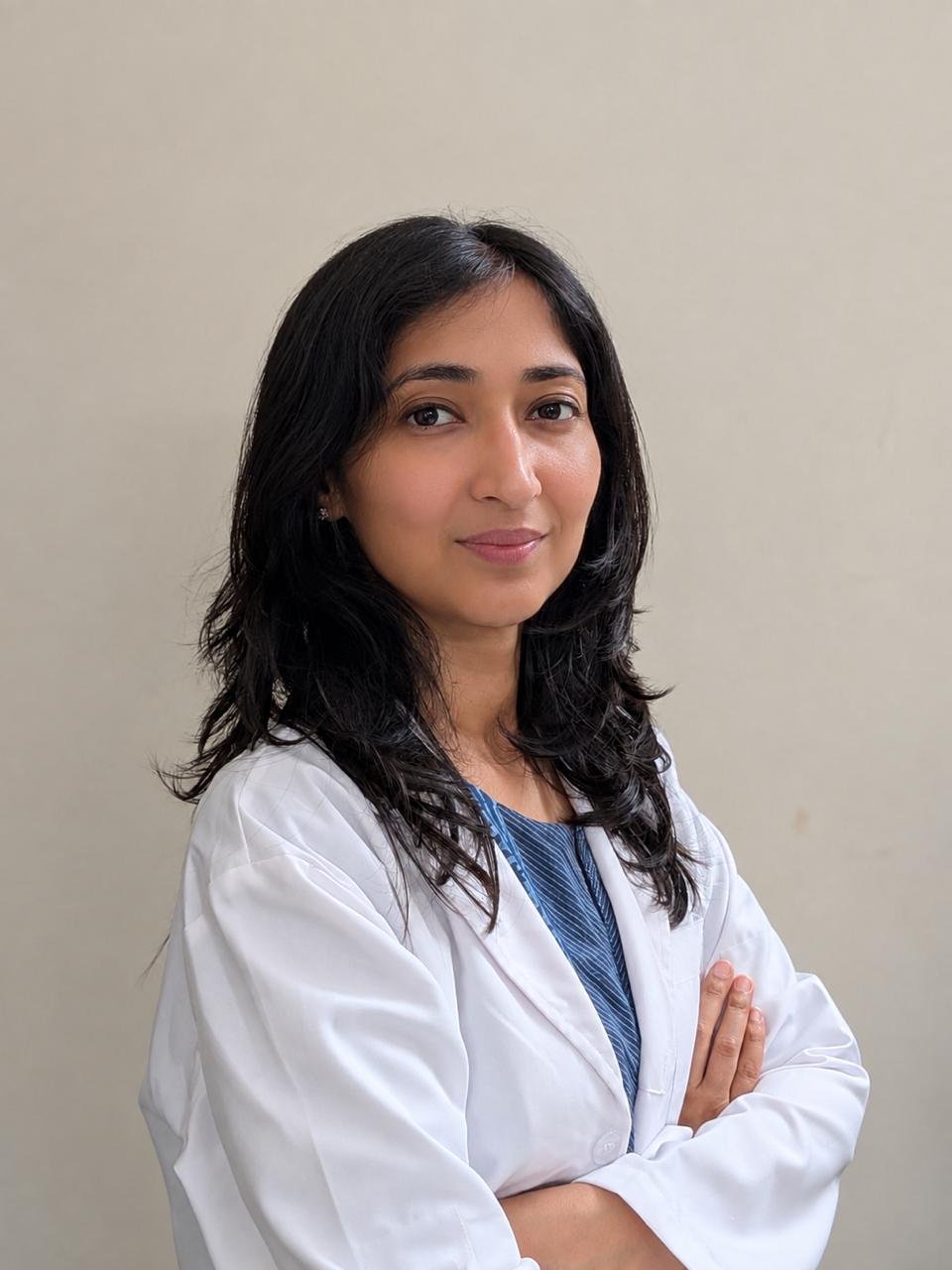
Expertise meets empathy. Our world-class team is here for you.

Fill out the form below and our intake coordinator will reach out to you within 24 hours.