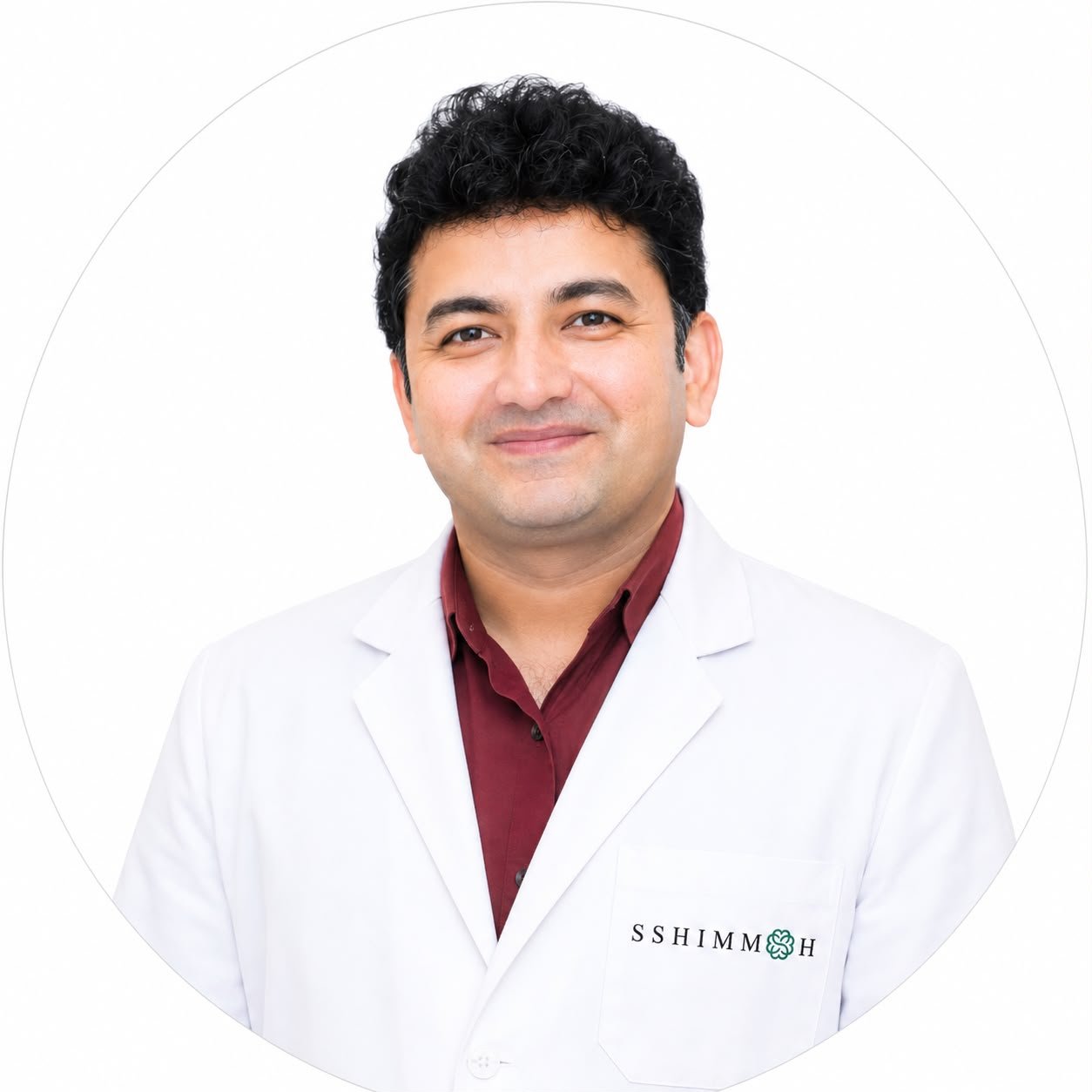
✓ Medically reviewed by Dr Kudrat Jain – Consultant Psychiatrist, SSHIMOH, Noida.
Attention-Deficit/Hyperactivity Disorder (ADHD) is a neurodevelopmental condition that affects both children and adults, marked by persistent difficulties with attention, restlessness, and impulsivity that interfere with everyday life. It is not a sign of laziness or low intelligence. With accurate diagnosis and the right support, ADHD is highly manageable, and most people learn to thrive.
At SSHIMOH, we treat ADHD with a multimodal plan tailored to each person. It begins with a careful, accurate assessment to confirm the diagnosis. From there, we combine behavioural therapy, practical skills training for focus and organisation, support for families and schools, and, where appropriate, carefully monitored medication. Care is personalised, collaborative, and reviewed regularly as you progress.

We build practical strategies for focus, organisation, time management, and self-control, working with the individual, family, and school for lasting change.

When appropriate, our psychiatrists prescribe and closely monitor medication to ease symptoms, with clear guidance on benefits, dosage, and follow-up.

Focus & Function
Attention-Deficit/Hyperactivity Disorder (ADHD) is a neurodevelopmental condition that affects how a person pays attention, controls impulses, and manages their energy and activity levels. It is one of the most common conditions of childhood, but it does not simply disappear with age. Many people continue to experience symptoms into adolescence and adulthood, where the challenges often shift from visible restlessness to inner difficulties with focus, planning, and follow-through. ADHD is not the result of laziness, poor discipline, or bad parenting; it is a genuine difference in the way the brain develops and works, and it is highly treatable with the right support.
In India, ADHD remains widely misunderstood and frequently under-diagnosed, particularly in adults who grew up before awareness was common. Children may be labelled as careless, naughty, or simply not trying hard enough, while adults may struggle quietly for years, assuming their difficulties are personal failings. The truth is that ADHD is a recognised medical condition, and reaching out for assessment and care is a positive, proactive step. With accurate diagnosis and a structured plan, people with ADHD can manage their symptoms well and make full use of their abilities at home, in school, and at work.
ADHD is not the same for everyone. Clinicians generally recognise three main presentations, and the way symptoms show up can change over a person's lifetime.
ADHD symptoms must be persistent, present across more than one setting, and significant enough to interfere with daily life. They generally fall into two groups.
Signs of inattention may include:
Signs of hyperactivity and impulsivity may include:
In children, ADHD is often most visible through hyperactivity and impulsivity. A child may find it hard to sit through lessons, complete homework, follow rules, or maintain friendships, which can affect both academic results and self-esteem. In adults, the outward restlessness frequently settles, but the inner challenges remain. Adults with ADHD may struggle with disorganisation, procrastination, missed deadlines, forgetfulness, restlessness, and difficulty regulating emotions. These difficulties can affect careers, relationships, finances, and confidence. Recognising that the same condition can look very different at different ages is essential to getting the right help. It is also common for ADHD to occur alongside other difficulties, such as anxiety, low mood, or learning challenges, which is why a complete and unhurried assessment matters so much. With understanding and support, both children and adults can learn to work with their natural way of thinking rather than against it.
There is no single cause of ADHD. It is best understood as arising from a combination of factors that influence brain development. Genetics play a strong role, and ADHD often runs in families. Differences in the structure and chemistry of certain brain networks involved in attention and self-control also contribute. Other factors, such as premature birth, low birth weight, or exposure to certain risks during pregnancy, may increase likelihood. Importantly, ADHD is not caused by too much screen time, sugar, or poor parenting, although a supportive environment can certainly make symptoms easier to manage.
There is no single blood test or scan that diagnoses ADHD. At SSHIMOH, assessment begins with a detailed, confidential conversation in which our clinicians gather a full history of symptoms, their onset, and their impact across different settings such as home, school, and work. We may use validated rating scales and, with consent, gather information from parents, teachers, or family members to build a complete picture. We also take care to consider other conditions that can resemble or accompany ADHD. This thorough process ensures the diagnosis is accurate and the resulting plan is genuinely suited to the individual.
ADHD responds very well to a multimodal approach that combines several supports tailored to the person's age and needs.
From your first visit, our goal is to help you and your family feel understood, supported, and hopeful. After a careful assessment, we discuss a clear, personalised plan and adjust it as progress is made. Our multidisciplinary team in Noida combines clinical expertise with genuine warmth, working closely with families and schools where needed. ADHD is highly manageable, and with the right support people often discover real strengths alongside their challenges. If you are ready to take the first step, you can book a consultation with us today.
No. While ADHD usually begins in childhood, it frequently continues into adolescence and adulthood. The symptoms often change with age, with visible restlessness giving way to inner difficulties with focus, organisation, and emotional regulation. Many adults are diagnosed for the first time later in life, which can bring great relief and understanding.
Medication is one effective option among several, and it is not always necessary. When recommended, ADHD medications are well-researched and prescribed at carefully chosen dosages with close monitoring by our psychiatrists. For many people, the best results come from combining medication with therapy and skills support. Any decision is made collaboratively, with your understanding and comfort as a priority.
Yes. Adults can absolutely be assessed and diagnosed with ADHD, even if it was never identified in childhood. Our clinicians take a careful history and look at how symptoms affect work, relationships, and daily life. A diagnosis in adulthood often explains long-standing struggles and opens the door to practical, effective support.
ADHD is a long-term condition rather than something that is simply cured, but it is highly manageable. With the right combination of therapy, skills training, support, and sometimes medication, most people gain strong control over their symptoms and lead full, successful lives. Many also find that the strategies they learn become lasting strengths.
SSHIMOH offers accurate, compassionate assessment followed by a multimodal treatment plan suited to each person's age and needs. We combine behavioural therapy, skills coaching, family and school support, and carefully monitored medication where appropriate. Our team in Noida walks alongside you at every stage, helping you or your child build focus, confidence, and a more settled daily life.
Expertise meets empathy. Our world-class team is here for you.