
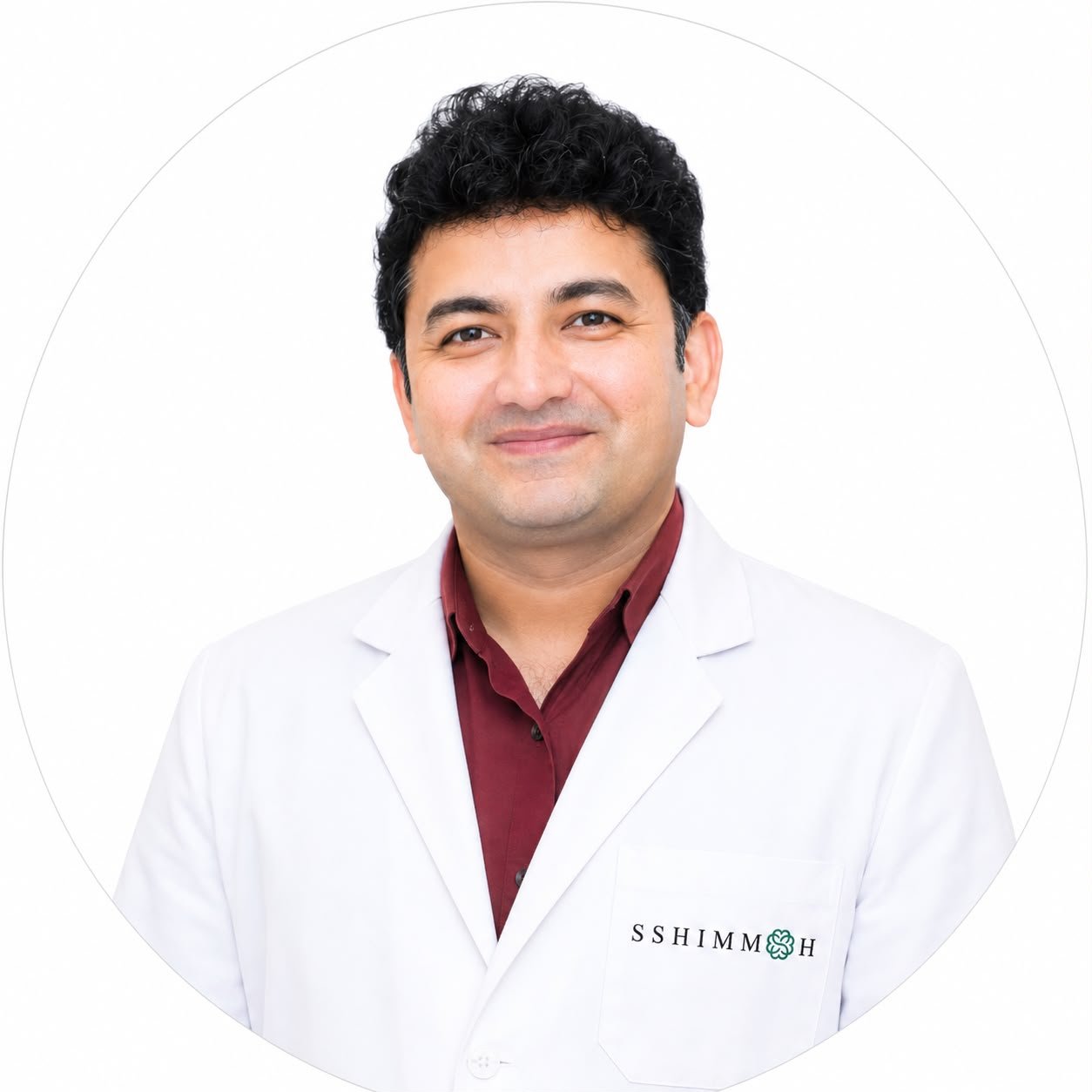
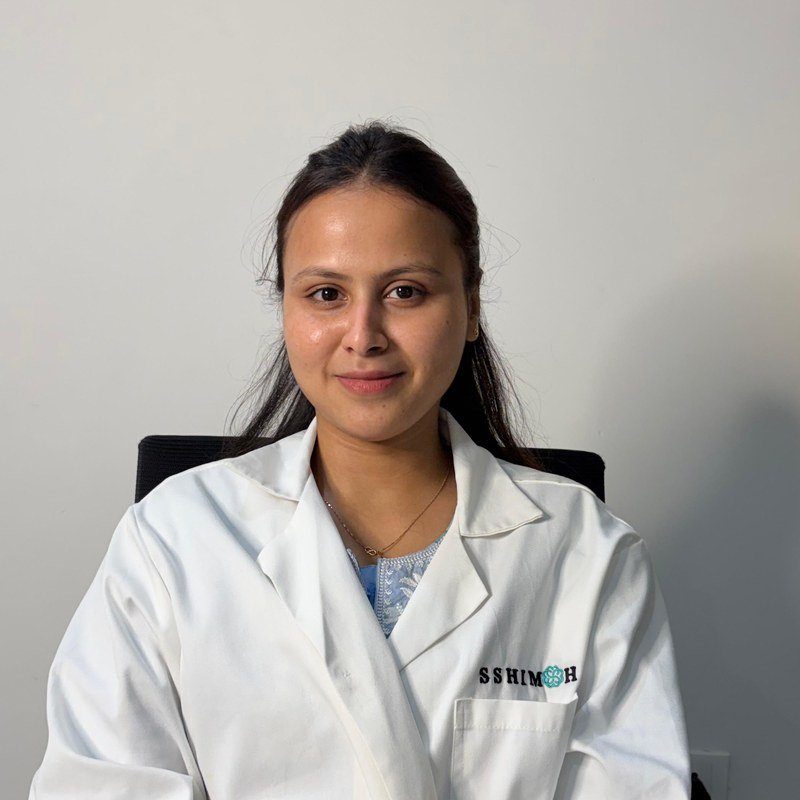
✓ Medically reviewed by Dr. Nikhil Nayar – Senior Consultant Psychiatrist, SSHIMOH, Noida.
Schizophrenia is a severe, chronic brain disorder that affects how a person thinks, feels, and behaves. Symptoms can include hallucinations, delusions, disorganized thinking, and cognitive impairments. Treating schizophrenia requires a compassionate, lifelong partnership with a specialized medical team.
At SSHIMOH, we provide a holistic, multidisciplinary approach. The cornerstone of treatment is highly personalized psychopharmacology to manage psychotic symptoms. We pair this with crucial psychosocial interventions, cognitive remediation, and family therapy to improve daily functioning and quality of life.

We expertly prescribe and monitor second-generation antipsychotics to manage hallucinations and delusions with minimal side effects.

We provide social skills training and vocational support to help clients integrate into the community and maintain independence.

Fostering Independence
Schizophrenia is a serious but treatable mental health condition that affects the way a person thinks, feels, and experiences the world around them. It can influence how someone perceives reality, processes information, and relates to others, sometimes giving rise to experiences such as hearing voices, holding firmly fixed beliefs, or finding it difficult to organise thoughts and motivation. While the condition is often misunderstood, the reality is far more hopeful than many people assume. With consistent, evidence-based care, a great many people living with schizophrenia go on to study, work, build relationships, and lead meaningful, fulfilling lives. Recovery is not a single destination but a journey, and the right support can make an enormous difference at every stage of it.
In India, and in busy urban centres such as Noida, schizophrenia continues to carry a heavy burden of stigma. Families sometimes feel ashamed, neighbours may misunderstand, and individuals can be wrongly judged as dangerous or beyond help. None of this is true. Schizophrenia is a health condition, not a character flaw, a sign of weakness, or a result of poor parenting. People living with it are someone's child, sibling, friend, or parent, and they deserve compassion, dignity, and good clinical care just as anyone with a physical illness would. At SSHIMOH, we believe that with understanding, early intervention, and steady long-term support, hope is always realistic. Reaching out for help is a courageous and positive step, and it is one we are honoured to take alongside you.
There is no single treatment that suits everyone, because schizophrenia affects each person differently. At SSHIMOH, our care is built around the individual rather than the diagnosis. We take time to understand your history, your strengths, your goals, and the particular ways the condition affects your daily life, and we design a plan around what matters most to you. Our approach is holistic and collaborative, drawing together medical, psychological, and social support so that we address not only symptoms but also the wider quality of your life.
You can learn more about the condition itself on our dedicated schizophrenia information page, which explains symptoms, causes, and early warning signs in greater depth.
For most people living with schizophrenia, medication is a central and often essential part of treatment. Antipsychotic medicines work by helping to balance the brain chemistry associated with symptoms such as hallucinations, delusions, and disordered thinking. When taken consistently, they can significantly reduce the intensity of these experiences, bring greater clarity and calm, and lower the risk of relapse. Medication does not change who you are; rather, it helps to quieten distressing symptoms so that the person can re-engage with life, relationships, and the other forms of support that aid recovery.
At SSHIMOH, our psychiatrists take great care to find the right medication and the right dose for each individual. This is a collaborative process, and we believe you have every right to understand what you are taking and why. We explain how a medicine works, discuss possible side effects openly, and adjust treatment thoughtfully if difficulties arise. Some people worry about taking medication long term, and these concerns are entirely valid. We listen carefully, never rush decisions, and work with you and your family to find an approach that is both effective and sustainable. Consistency matters greatly with antipsychotic treatment, and we offer steady guidance and encouragement to help make adherence as manageable as possible.
Medication addresses the biological side of schizophrenia, but lasting recovery also depends on psychological and social support. Therapy gives people the space to make sense of their experiences, develop coping strategies, and rebuild confidence. It can be especially valuable in managing distressing thoughts, reducing anxiety and low mood, and helping a person reconnect with the activities and relationships that give life meaning.
Therapy is always offered with patience and respect. We move at a pace that feels comfortable, building trust gradually so that each person feels genuinely supported rather than pressured.
Families are often the most important source of support in a person's recovery, yet they frequently receive little guidance themselves. When a loved one is diagnosed with schizophrenia, families may feel frightened, confused, or overwhelmed, and they may not know how best to help. At SSHIMOH, we view families as valued partners in care. With the individual's consent, we welcome relatives into the process, offering clear information, practical advice, and emotional support of their own.
Family education helps loved ones understand the condition, recognise early warning signs, respond calmly during difficult moments, and create a supportive home environment. Research and clinical experience consistently show that warm, informed family involvement can reduce relapse and improve outcomes. Equally, we recognise that caring for someone with schizophrenia can be demanding, and carers deserve support too. We make space to acknowledge their needs, reduce feelings of guilt or isolation, and help the whole family move forward together with greater understanding and hope.
Recovery is about more than reducing symptoms; it is about helping a person reclaim a full and meaningful life. Schizophrenia can affect concentration, motivation, routine, and the ability to manage everyday responsibilities, and these challenges can persist even when acute symptoms have eased. Rehabilitation focuses on rebuilding these practical and functional skills, step by step, so that each person can move toward greater independence and confidence.
We celebrate progress at every scale, knowing that small, steady steps often lead to the most lasting change.
Schizophrenia is usually a long-term condition, and ongoing care plays an important role in maintaining stability and wellbeing. The goal of long-term treatment is not only to manage symptoms but to help each person stay well, recognise early signs of difficulty, and respond before a setback becomes a crisis. Relapse is not a failure; it can be part of the journey, and with a good plan in place its impact can be greatly reduced.
At SSHIMOH, we work with you to build a personalised relapse-prevention plan. This includes identifying your own early warning signs, maintaining consistent treatment, managing stress, protecting sleep and routine, and knowing exactly who to contact and what to do if symptoms begin to return. Regular follow-up appointments allow us to monitor progress, fine-tune medication, and offer continued encouragement. Many people enjoy long periods of stability and good health, and our steady, dependable presence over time is one of the most valuable forms of support we offer.
Choosing where to seek help for a condition as significant as schizophrenia is an important decision, and we are grateful when people place their trust in us. At SSHIMOH, our care is distinguished by a genuine combination of clinical expertise and human warmth. We treat people, not labels, and we hold firmly to the belief that everyone deserves dignity, respect, and hope.
From your very first visit, our aim is to help you and your family feel safe, heard, and hopeful. Care begins with an unhurried, confidential assessment in which our psychiatric team listens carefully to your concerns and works to understand your experiences fully. Together we then discuss a clear treatment plan, explaining each element so that you feel informed and involved. As treatment progresses, we review and adjust the plan regularly, always keeping your comfort, goals, and wellbeing at the centre. Our team in Noida walks alongside you with patience and respect at every step, and we are committed to supporting you for the long term. If you or a loved one is living with schizophrenia, you do not have to face it alone. We warmly invite you to book a consultation with us and take the first step toward stability, recovery, and hope.
The word cure is rarely used in mental health, but schizophrenia is very treatable, and this is a hopeful message. With consistent treatment, many people achieve significant and lasting improvement, manage their symptoms well, and lead meaningful, independent lives. Ongoing care helps maintain stability over time, and recovery, in the sense of a full and satisfying life, is a realistic goal for many.
No. This is a harmful and inaccurate myth. Schizophrenia is a medical condition that arises from a complex mix of biological, genetic, and environmental factors. It is not caused by bad parenting, weak character, or anything a person has done wrong. Understanding this helps remove blame and shame, allowing families to focus their energy on support and recovery.
This varies from person to person. For many people, ongoing medication is important in preventing relapse and maintaining stability, while others may need it for shorter periods. Our psychiatrists review treatment regularly and make decisions collaboratively with you, always explaining the reasons clearly and adjusting the approach as circumstances change over time.
Yes, many people with schizophrenia work, study, and pursue their goals, particularly when their treatment is stable and well supported. Our rehabilitation support helps people rebuild the skills and confidence needed to return to education or employment at a pace that feels right for them. We tailor goals to each individual's strengths and aspirations.
Learning about the condition, listening without judgement, encouraging consistent treatment, and remaining patient during difficult periods all make a real difference. Looking after your own wellbeing matters too. At SSHIMOH, we offer education and support to families so that you feel equipped and not alone, and so that you can support your loved one with confidence and care.
Yes. Confidentiality is central to our care. What you and your family share with our team is treated with the utmost privacy and respect, in line with professional and ethical standards. This allows you to speak openly and honestly, knowing that your trust will be protected at every stage of treatment.
Expertise meets empathy. Our world-class team is here for you.


Fill out the form below and our intake coordinator will reach out to you within 24 hours.