
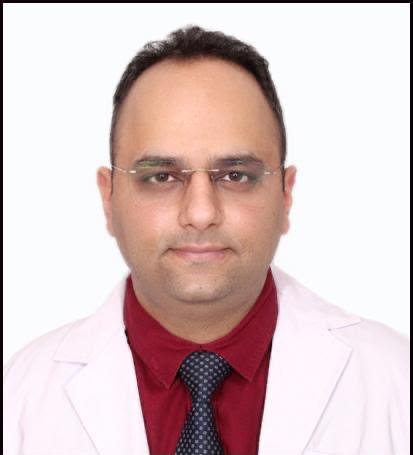
✓ Medically reviewed by Dr. Nikhil Nayar – Senior Consultant Psychiatrist, SSHIMOH, Noida.
Mania is an extreme, elevated, and unusually energized mood state that is the defining characteristic of Bipolar I Disorder. It can manifest as euphoria, extreme irritability, racing thoughts, and impulsivity. Acute manic episodes represent a psychiatric emergency requiring immediate, specialized medical intervention.
During a manic episode, our immediate priority is safety, medical stabilization, and de-escalation. Our psychiatric team provides rapid medication management to bring down the elevated neurochemical state. Once the acute phase is stabilized, we pivot to psychoeducation and long-term mood management strategies.

We use fast-acting atypical antipsychotics or acute mood stabilizers to quickly safely reduce manic symptoms and restore sleep.

We work with families to create a low-stimulation, safe environment to prevent impulsive or dangerous behaviors during the episode.

Restoring Balance
Mania is a state of abnormally elevated mood, heightened energy, and reduced need for sleep, often accompanied by racing thoughts, rapid speech, and impulsive behaviour. While a person experiencing mania may feel unusually confident, creative, or invincible, the condition can seriously disrupt judgement, relationships, finances, and safety. Mania is most commonly seen as part of bipolar disorder, where episodes of intense highs alternate with periods of low mood or depression. Importantly, mania is a recognised medical condition rather than a character flaw or a matter of willpower, and it responds well to the right treatment.
Many families in India and in fast-paced cities such as Noida first notice mania when a loved one's behaviour changes suddenly, when sleep all but disappears, or when spending and risk-taking spiral beyond what is usual for that person. Seeking help early is one of the most protective steps a family can take, because timely treatment can prevent harm, shorten an episode, and reduce the chance of future relapses. At SSHIMOH, we offer compassionate, evidence-based care that stabilises the acute episode and then supports long-term wellbeing, so that individuals can return to a balanced, fulfilling life.
Mania can develop quickly, sometimes over a few days, and the person affected may not realise that anything is wrong. Recognising the warning signs early allows families to seek help before an episode escalates. While symptoms vary from person to person, common features include:
A milder form, known as hypomania, involves similar but less intense symptoms that may not cause severe disruption. Even so, hypomania deserves attention, because it can be an early signal of an underlying mood disorder. If these changes are noticeable to family, friends, or colleagues and are out of character, it is wise to seek a professional assessment.
At SSHIMOH, we believe that effective care for mania must treat the whole person, not just the symptoms of a single episode. Our approach begins with a careful, confidential assessment by an experienced psychiatrist, who listens to the individual and their family, takes a detailed history, and considers any physical health factors that may be contributing. This thorough evaluation helps us understand whether mania is part of bipolar disorder or another condition, so that treatment is accurate and tailored.
From there, we design a personalised plan that usually combines medication, psychological support, and practical lifestyle guidance. Our multidisciplinary team works together to stabilise mood, keep the person safe, and lay the foundations for lasting recovery. Throughout, we involve families wherever appropriate, because their understanding and support play a vital role in recovery. For those whose mania forms part of a wider mood disorder, our care connects naturally with our broader bipolar disorder treatment programme.
Medication is often central to treating an acute manic episode and to preventing future ones. The aim is to calm the heightened state of the brain, restore sleep, and bring mood back into a stable range. Our psychiatrists prescribe carefully, explaining the purpose of each medicine and monitoring its effects closely. Commonly used options include:
Every prescription is a shared decision. We discuss the expected benefits, possible side effects, and the importance of taking medication consistently. Regular reviews allow us to adjust doses and ensure the plan continues to suit the individual. We never rush this process, and we encourage people to ask questions until they feel fully informed and comfortable.
During a manic episode, a person's judgement can be significantly impaired, which sometimes places their finances, relationships, or personal safety at risk. The first priority of treatment is therefore stabilisation and safety. Our clinical team works swiftly to reduce the intensity of symptoms, restore restful sleep, and create a calm, structured environment in which recovery can begin.
For most people, this care can be provided on an outpatient basis with close monitoring and strong family involvement. In more severe cases, where there is a risk of harm or where symptoms are difficult to manage at home, more intensive support may be recommended. We always discuss these options openly and choose the least restrictive approach that keeps the person safe. Practical safeguards, such as limiting access to large sums of money or postponing major decisions until the episode has passed, can also protect the individual during this vulnerable time.
Once the acute episode has settled, psychological support becomes a powerful tool for long-term recovery. Therapy helps individuals understand their condition, recognise early warning signs, and develop strategies to maintain stability. At SSHIMOH, we offer structured, evidence-based therapies delivered with warmth and without judgement.
Psychoeducation is especially valuable in helping people identify their own personal triggers, such as disrupted sleep, excessive stress, or missed medication, so that they can act early if symptoms begin to return. Over time, this knowledge becomes a form of self-protection that reduces the likelihood and severity of future episodes.
Mania, particularly when part of bipolar disorder, tends to be a long-term condition, which means that preventing relapse is just as important as treating the current episode. With consistent care, many people go on to enjoy long periods of stability and good health. Our prevention-focused approach includes:
We work closely with each individual to build a relapse-prevention plan that fits their life, work, and family circumstances. This collaborative plan gives people a clear sense of what to watch for and what to do, turning treatment into an ongoing partnership rather than a one-off intervention.
Choosing the right place for care is an important decision, and we are proud of the thoughtful, person-centred service we provide in Noida. Several things set our care apart. Our team is multidisciplinary, bringing together psychiatrists, psychologists, and support staff who collaborate on every plan. We treat each person as an individual, tailoring care to their unique history, needs, and goals rather than applying a one-size-fits-all formula. We place strong emphasis on dignity, confidentiality, and respect, so that individuals and families feel safe to speak openly.
We also understand the cultural and family context in which our patients live, and we work sensitively with families to reduce stigma and build understanding. Above all, we combine clinical expertise with genuine warmth, walking alongside each person from the first consultation through to long-term stability. Our goal is not only to treat an episode but to help people rebuild confidence and live well.
From your very first contact with us, our aim is to help you and your family feel heard, supported, and hopeful. Your journey begins with a confidential consultation in which one of our psychiatrists takes time to understand the situation, answer your questions, and explain the options available. Together, we agree on a clear plan, which we review and adjust as recovery progresses. You will never be rushed, and you will always be treated with kindness and respect.
If you are concerned about yourself or a loved one, please do not wait for things to reach a crisis. Early help makes recovery quicker and smoother, and reaching out is a sign of strength, not weakness. To take the first step toward stability and wellbeing, you can book a consultation with our team in Noida today.
Not exactly. Mania is a specific state of elevated mood, energy, and impulsivity, while bipolar disorder is a broader condition in which episodes of mania or hypomania alternate with periods of depression. Mania is most often a feature of bipolar disorder, but a proper assessment is needed to understand the full picture and plan the right treatment.
Yes. Mania responds well to treatment, particularly when help is sought early. With a combination of medication, therapy, and ongoing support, most people are able to stabilise their mood, prevent future episodes, and return to a balanced, fulfilling life. Long-term follow-up helps maintain that stability over time.
Medication is usually an important part of treating an acute manic episode, as it helps calm symptoms and restore sleep. However, medication works best alongside therapy, psychoeducation, and lifestyle support. Every plan is personalised, and our psychiatrists discuss all decisions with you so that you understand and feel comfortable with your care.
This varies from person to person. An acute episode often settles within a few weeks of starting treatment, but because mania can recur, longer-term maintenance care is frequently recommended to prevent future episodes. We review your progress regularly and adjust your plan to suit your needs as you recover.
The most helpful steps are to stay calm, avoid confrontation, encourage professional assessment, and support safety by gently limiting risky decisions during the episode. Learning about the condition through psychoeducation also helps. Our team works closely with families, offering guidance on how to support a loved one while caring for your own wellbeing too.
Yes. Confidentiality is central to our care. Everything you and your family share with our team is private and handled with the utmost respect, in line with professional and ethical standards, so that you can speak openly and seek help without worry.
Expertise meets empathy. Our world-class team is here for you.






Fill out the form below and our intake coordinator will reach out to you within 24 hours.