
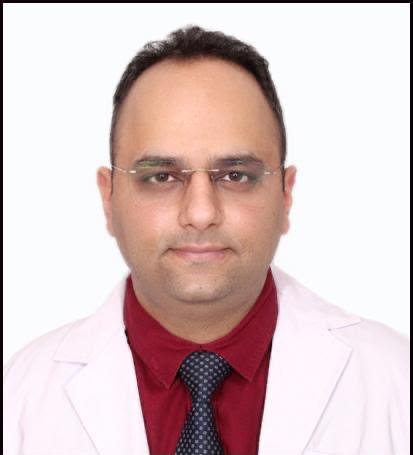
✓ Medically reviewed by Mr. Shourya Purohit – Clinical Psychologist, SSHIMOH, Noida.
Expressive Arts Therapy is the psychotherapeutic use of movement to promote emotional, social, cognitive, and physical integration of the individual. Grounded in the premise that the body and mind are inseparable, DMT uses expressive movement to process emotions that are trapped in the body's muscle memory.
You do not need to be a Expressive to participate. Our board-certified Expressive Arts therapists guide you to use spontaneous movement to express anger, grief, or joy. We observe your posture, gestures, and movement patterns to help you uncover subconscious emotional blocks and release trauma stored in the nervous system.

We utilize the body to bypass the logical mind, allowing for the deep processing of pre-verbal or complex trauma.

Movement naturally discharges excess adrenaline and cortisol, helping to ground the nervous system and reduce anxiety.

Mind-Body Connection
Expressive Arts Therapy is a form of expressive therapy that uses guided physical movement to support emotional, mental, and social wellbeing. It is built on a simple but powerful idea: the mind and body are deeply connected, and the way we move can both reflect and reshape how we feel. Through gentle, structured movement led by a trained practitioner, this therapy offers a way to express emotions that can be difficult to put into words, to release tension held in the body, and to reconnect with a sense of comfort and confidence within oneself. Importantly, no dance skill, training, or sense of rhythm is required. This is not about performance, choreography, or getting steps right. It is about using natural movement as a path toward healing and self-understanding.
At SSHIMOH in Noida, we offer Expressive Arts Therapy as a complementary approach that works alongside conventional mental health care. For many people in India, talking openly about emotions can feel unfamiliar or uncomfortable, and the body often carries the weight of stress, worry, and grief long before words can describe it. Expressive Arts Therapy therapy gives a gentle, non-judgemental space to explore those feelings through movement. Whether someone is living with anxiety, low mood, the after-effects of stress, or simply feels disconnected from themselves, this approach can help restore a sense of balance, expression, and ease. It is suitable for people of all ages and body types, and sessions are always adapted to each person's comfort and ability.
Expressive Arts Therapy rests on the understanding that movement is a language in itself. Long before we learn to speak, we communicate through gesture, posture, and movement, and these patterns stay with us throughout life. When emotions are overwhelming or hard to articulate, the body often expresses what the mind cannot. A therapist is trained to observe these movement patterns with sensitivity, and to use guided movement to help a person access, understand, and process their inner experiences.
In practice, the therapist creates a safe and supportive environment in which movement can unfold naturally. This might involve simple, everyday gestures, swaying, stretching, or moving freely to music, always at a pace and intensity that feels right for the individual. Over time, this process can help a person release stored tension, become more aware of their emotions, and develop new ways of relating to themselves and others. The aim is not to teach dance, but to use movement as a bridge between body and mind, supporting emotional expression and growth.
Much of modern mental health care recognises that emotional distress is not only felt in the mind but also lived in the body. Stress can tighten the shoulders, anxiety can quicken the breath, and sadness can weigh down posture and slow movement. The mind-body connection means that what happens in our emotional life shows up physically, and equally, that changing how we move and hold ourselves can influence how we feel.
Dance therapy works directly with this connection. By gently shifting posture, breath, and movement, a person can begin to ease physical tension and, in turn, soften emotional distress. Movement can help regulate the nervous system, calm a racing mind, and create a sense of grounding and safety in the present moment. For people who feel cut off from their bodies, perhaps after prolonged stress or difficult experiences, dance therapy offers a gentle way to reconnect, to feel more at home in themselves, and to experience the body as a source of comfort rather than tension.
Expressive Arts Therapy is a flexible, complementary approach that can support a wide range of emotional and psychological concerns. It is most effective when used alongside other forms of care, such as psychotherapy, medication where appropriate, and lifestyle support. People often find it helpful for:
People often feel curious or a little nervous before their first session, which is entirely natural. A dance therapy session at SSHIMOH is designed to feel safe, unhurried, and free of any pressure to perform. Sessions usually begin with a gentle warm-up to help the body settle and the mind relax. The therapist may guide simple movements, breathing, or stretching to ease into the experience.
From there, the session unfolds based on each person's needs and comfort. The therapist might invite movement in response to music, encourage expression of a particular feeling, or simply observe and gently guide as movement arises naturally. There is no right or wrong way to move. Some moments may be active and energising, while others are slow and reflective. Throughout, the therapist offers a supportive, non-judgemental presence, and sessions often close with a calming wind-down and, where helpful, a short reflection on what came up. Everything happens at a pace that respects the individual's boundaries and wellbeing.
One of the strengths of dance/movement therapy is that it can be adapted for people at every stage of life. Because it does not rely on words alone, it is especially valuable for those who find verbal expression difficult.
While dance therapy is a complementary approach rather than a standalone treatment, many people find it brings meaningful benefits to their overall wellbeing. Because it engages body, mind, and emotion together, its effects often extend beyond the session itself into everyday life. Commonly reported benefits include:
Dance/movement therapy is suitable for a wide range of people, and you do not need any background in dance or movement to take part. It can be especially helpful for those who feel that talking therapies alone do not fully capture their experience, or who carry stress and tension in their bodies. It is also a gentle and welcoming option for people who find it hard to open up verbally, including children and those navigating difficult emotions.
That said, dance therapy is most effective as part of a broader, well-considered plan of care. At SSHIMOH, we always assess each person individually to ensure this approach is right for them and to combine it thoughtfully with other evidence-based treatments. For some, it works beautifully alongside structured talking therapy such as Cognitive Behavioural Therapy, while for others it complements medical care or lifestyle support. Our team will help you understand whether dance therapy fits your needs and how it can sit within your overall journey toward wellbeing.
At SSHIMOH, dance therapy is never offered in isolation. We are a multidisciplinary mental health clinic in Noida, and our greatest strength lies in bringing different forms of care together around each individual. Our practitioners combine clinical expertise with genuine warmth, creating a space where people feel safe, respected, and understood. We take time to know each person, their story, and their goals, so that every element of their care, including complementary approaches like dance therapy, works in harmony.
We are also mindful of cultural context. We understand that for many families in India, expressing emotion can feel unfamiliar, and we approach every session with sensitivity, patience, and respect for each person's comfort. Our environment is welcoming and non-judgemental, and we adapt everything to the individual rather than expecting them to fit a fixed format. This person-centred, integrated approach is what makes care at SSHIMOH genuinely supportive and effective.
From your very first contact with us, our aim is to help you feel comfortable, understood, and hopeful. We begin with a thoughtful assessment in which we listen carefully to your concerns and discuss whether dance/movement therapy, alone or alongside other approaches, is right for you. Together we shape a plan that suits your needs, and we review it regularly as you progress. You will never be asked to do anything that feels beyond your comfort, and our team walks alongside you at every step with care and encouragement. If you would like to explore how dance therapy might support your wellbeing, you can book a consultation with us and take a gentle first step toward feeling more connected, expressive, and at ease.
Not at all. Expressive Arts Therapy is not about dancing well, performing, or learning steps. It uses natural, guided movement to support emotional expression and wellbeing. No skill, training, or sense of rhythm is needed, and every session is adapted to your comfort and ability.
No. Expressive Arts Therapy is a complementary approach that works best alongside other forms of care, such as psychotherapy, medication where appropriate, and lifestyle support. At SSHIMOH, we combine it thoughtfully within a broader, personalised plan rather than using it as a standalone treatment.
Simply wear comfortable, loose clothing that allows you to move freely, and footwear you feel at ease in. There is no special outfit required. The focus is entirely on your comfort, so anything that lets you relax and move naturally is perfectly suitable.
Yes. Expressive /movement therapy can be adapted for all ages, from young children to older adults. Because it does not rely on words alone, it is especially helpful for those who find verbal expression difficult, and sessions are always tailored to each person's needs and abilities.
Yes. Confidentiality is fundamental to our care. Whatever you share or express during sessions is treated with the utmost privacy and respect, in line with professional and ethical standards, so that you can take part openly and without worry.
The best way to find out is through an initial assessment with our team. We will listen to your concerns, understand your goals, and discuss whether Expressive Arts Therapy suits your needs and how it might fit within your overall care. You are welcome to book a consultation to explore this together.
Expertise meets empathy. Our world-class team is here for you.






Fill out the form below and our intake coordinator will reach out to you within 24 hours.