
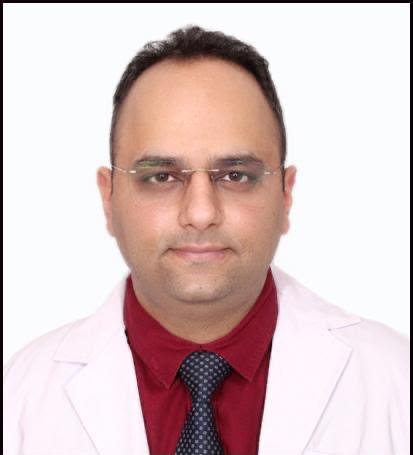
✓ Medically reviewed by Dr. Purvi Vats – Consultant Psychiatrist, SSHIMOH, Noida.
Obsessive-Compulsive Disorder (OCD) is a chronic anxiety disorder characterized by uncontrollable, reoccurring thoughts (obsessions) and behaviors (compulsions) that the sufferer feels the urge to repeat over and over. Without specialized treatment, OCD can become severely debilitating.
At SSHIMOH, we treat OCD using the universally recognized gold-standard therapy: Exposure and Response Prevention (ERP), a specialized form of CBT. Alongside ERP, our psychiatrists may prescribe targeted SSRI medications at specific dosages proven to reduce obsessive thought loops.

We carefully, gradually expose you to the thoughts, images, or situations that trigger your obsessions in a safe setting.

We coach you to resist the urge to perform your compulsive rituals, teaching your brain that the anxiety will subside naturally.

Breaking the Cycle
Obsessive-Compulsive Disorder (OCD) is a mental health condition characterised by two main features: obsessions, which are unwanted, intrusive thoughts, images, or urges that cause significant distress; and compulsions, which are repetitive behaviours or mental acts a person feels driven to perform in order to ease that distress or prevent a feared outcome. These cycles can consume hours of the day, drain energy, and interfere with work, studies, relationships, and peace of mind. What is most important to understand is that OCD is a treatable condition. With specialised, evidence-based care, the vast majority of people experience meaningful relief and reclaim control over their lives.
In India, and in busy cities such as Noida, many people live with OCD for years before seeking help, often mistaking their symptoms for being merely fussy, overly clean, or excessively careful. OCD is far more than a personality trait or a habit; it is a genuine health condition involving the brain, behaviour, and emotions. The good news is that effective treatment exists, and reaching out is the first step toward recovery. At SSHIMOH, our team offers compassionate, specialised treatment for OCD, grounded in approaches that are proven to work. To understand the condition in more depth, you may also wish to read about OCD as a disorder.
At SSHIMOH, we believe that effective OCD treatment begins with truly understanding each individual. No two people experience OCD in exactly the same way; obsessions and compulsions take many forms, from fears of contamination and harm to a need for symmetry, intrusive taboo thoughts, or excessive checking. Our approach starts with a thorough, confidential assessment in which a mental health professional listens carefully to your experiences, identifies the specific patterns of your obsessions and compulsions, and considers how they affect your daily life. From there, we create a personalised treatment plan that may combine specialised psychotherapy, medication where appropriate, and ongoing support. Throughout, we work collaboratively with you, explaining each step clearly and adjusting your plan as you progress.
Exposure and Response Prevention, known as ERP, is widely recognised as the most effective treatment for OCD. It is a specialised form of therapy designed specifically to break the cycle that keeps OCD going. The idea is straightforward in principle, though it is carried out gently and gradually with the close support of a trained therapist. In ERP, you are carefully and progressively exposed to the thoughts, images, situations, or objects that trigger your anxiety (the exposure), while being supported to resist performing the usual compulsion or ritual that you would normally use to relieve that anxiety (the response prevention). For example, someone with contamination fears might gradually practise touching a doorknob without immediately washing their hands.
This may sound daunting, but it is always done at a pace you can manage, step by step, never forced. Over time, your brain learns a powerful lesson: that the anxiety fades on its own, and that the feared catastrophe does not occur, even without the compulsion. Each successful exposure weakens the grip of OCD a little more. ERP does not aim to eliminate intrusive thoughts entirely, since everyone has fleeting odd thoughts; instead, it helps you respond to them differently, so they lose their power and no longer dictate your behaviour. With consistent practice, many people find that what once felt overwhelming becomes genuinely manageable.
ERP is itself a part of the broader family of Cognitive Behavioural Therapy (CBT), which is a cornerstone of OCD care. Alongside ERP, cognitive techniques help you examine and gently challenge the unhelpful beliefs that fuel OCD, such as an inflated sense of responsibility, an overestimation of danger, or the belief that having a thought is the same as acting on it. For some individuals, particularly those who also struggle with intense emotions, skills drawn from Dialectical Behaviour Therapy (DBT), such as mindfulness and distress tolerance, can be a valuable complement to treatment.
Medication can also play an important role, especially for moderate to severe OCD. Certain medications, prescribed and monitored by our psychiatrists, can help reduce the intensity of obsessions and compulsions, making it easier to engage fully in therapy. Any decision about medication is made together with you, with clear information about the benefits, the realistic timeline for improvement, and any possible side effects. For many people, the combination of ERP-based therapy and medication offers the best results.
Recovery from OCD does not usually mean that intrusive thoughts vanish forever. Rather, it means that those thoughts no longer control your decisions, your time, or your sense of self. People in recovery describe being able to let a thought pass without acting on it, to face once-feared situations with confidence, and to reclaim the hours that were previously lost to rituals. Recovery is often a gradual process with steady gains, and occasional setbacks are a normal part of the journey, not a sign of failure. With the skills learned in treatment, you become better equipped to handle these moments and to maintain your progress over the long term. The goal is a life guided by your own values and choices, rather than by OCD.
From your very first visit, our aim is to help you feel safe, understood, and hopeful. After an initial confidential assessment, we discuss a clear, personalised plan together and review it regularly as you progress. Our multidisciplinary team in Noida brings together clinical expertise in evidence-based OCD treatment with genuine warmth and respect, and we walk alongside you at every stage. You will never be judged for the nature of your thoughts; we understand that intrusive thoughts are a symptom of OCD, not a reflection of who you are. If you are ready to take the first step toward freedom from OCD, you can book a consultation with us today.
OCD does not look the same in everyone, and one of the most reassuring things we tell those who come to us is that we have seen and successfully treated a very wide range of presentations. Some people experience contamination obsessions, with persistent fears of germs, illness, or dirt, leading to extensive washing or cleaning rituals. Others struggle with checking compulsions, repeatedly confirming that doors are locked, taps are off, or appliances are switched off, often driven by a fear of being responsible for harm. A great many people experience distressing intrusive thoughts of a violent, sexual, or blasphemous nature, which feel utterly at odds with their values and cause deep shame. Still others are troubled by a need for symmetry, order, or things feeling just right, or by relationship and health-related doubts that demand constant reassurance. Whatever the theme, the underlying mechanism is the same, and our treatment addresses the cycle rather than the specific content. The common forms we support include:
If you recognise yourself in any of these descriptions, please know that you are not alone and that help is available. You can also learn more on our page about OCD as a disorder.
Misunderstandings about OCD are widespread, and they often add to the distress that those affected already feel. One of the most common myths is that OCD is simply about being tidy or liking things clean; in reality, OCD is a serious anxiety-driven condition that can centre on any theme, and many people with OCD do not have cleaning compulsions at all. Another harmful misconception is that people with OCD are dangerous because of their intrusive thoughts, when in truth those thoughts are unwanted and deeply distressing precisely because they conflict with the person's character. Some believe that OCD is rare, yet it affects a significant proportion of the population across all ages and backgrounds. There is also a mistaken idea that one can simply choose to stop the rituals through willpower alone, which underestimates how powerfully the condition grips the brain. Finally, many assume OCD cannot be helped, but as our work demonstrates daily, it responds very well to specialised treatment. Clearing away these myths is itself an important part of recovery, because accurate understanding reduces shame and encourages people to seek the support they deserve.
When someone you love has OCD, it is natural to want to help, yet families often find themselves unsure of what to do, and sometimes their well-meaning efforts unintentionally keep the condition going. A common pattern is accommodation, where relatives provide repeated reassurance, take part in rituals, or rearrange daily life to avoid triggering the person's anxiety. While this offers short-term relief, it tends to strengthen OCD over time, so part of our work involves gently guiding families towards more helpful responses. We encourage loved ones to be patient, to separate the person from the disorder, and to avoid criticism or frustration, since OCD is not a choice or a character flaw. Learning a little about how the condition works, and about the treatment your family member is undertaking, can make an enormous difference to their progress and to the harmony of the household. Practical ways families can help include:
At SSHIMOH, we welcome the involvement of families where appropriate, and we are happy to offer guidance so that those closest to the person can become genuine partners in recovery.
Choosing where to seek help for OCD is an important decision, and we believe SSHIMOH offers something genuinely distinctive for individuals and families in Noida and across the wider region. Our care is built on evidence-based methods, with ERP and Cognitive Behavioural Therapy (CBT) at its heart, delivered by clinicians who specialise in anxiety-related conditions rather than offering generic counselling. We take a multidisciplinary approach, so that therapy and, where needed, psychiatric input work together seamlessly within a single coordinated plan. Equally important is the atmosphere we create: warm, non-judgemental, and deeply respectful of the courage it takes to speak about intrusive thoughts. We tailor every plan to the individual, review progress openly and regularly, and equip you with practical skills you can carry forward long after formal treatment ends. Above all, we never lose sight of the person behind the diagnosis, and our goal is always to help you build a life shaped by your own values. To begin, you are welcome to book a consultation with our team.
While the word cure is rarely used in mental health, OCD is highly treatable. With specialised therapy such as ERP, and sometimes medication, most people achieve significant relief and learn to manage their symptoms so they no longer dominate daily life. Many reach a point where OCD has little impact on their day-to-day functioning.
ERP is an active, structured therapy designed specifically for OCD. Rather than only discussing your worries, it involves gradually and safely facing the situations that trigger anxiety while resisting compulsions. This hands-on, practice-based approach is what makes it so effective, and it is always carried out at a pace you are comfortable with.
This varies from person to person, depending on the severity and nature of your symptoms. Some people notice meaningful improvement within a few weeks of consistent ERP, while others benefit from longer-term support. Your treatment plan is personalised, and we review your progress together regularly to ensure it continues to meet your needs.
Not necessarily. Many people improve with ERP-based therapy alone. Medication is one option among several and is recommended only when it is likely to help, particularly in more severe cases. Any decision is made collaboratively, with your understanding and comfort as a priority.
No. Distressing intrusive thoughts are a recognised symptom of OCD and do not reflect your true character, intentions, or desires. In fact, people with OCD are often deeply troubled by these thoughts precisely because they go against their values. Our team understands this fully, and you can speak openly without fear of judgement.
OCD can sometimes flare up again, particularly during periods of stress, illness, or major life changes, and this is a normal part of the journey rather than a sign that treatment has failed. The skills you learn during therapy, especially ERP, stay with you and can be drawn upon to manage any return of symptoms. We also encourage you to reach out for a few booster sessions if you need them, so that you can quickly get back on track and maintain the progress you have worked hard to achieve.
Expertise meets empathy. Our world-class team is here for you.






Fill out the form below and our intake coordinator will reach out to you within 24 hours.