
✓ Medically reviewed by Dr. Purvi Vats – Consultant Psychiatrist, SSHIMOH, Noida.
Obsessive-Compulsive Disorder can fill your day with unwanted thoughts and exhausting routines, but it is also a well-understood and highly treatable condition. At SSHIMOH, our compassionate team in Noida helps you understand what you are experiencing and supports you with proven, personalised care. However long the cycle has held you, recovery is possible, and meaningful relief often begins with a single conversation.
OCD responds remarkably well to the right treatment, and the most effective care addresses both the obsessive thoughts and the compulsive behaviours that sustain them. At SSHIMOH, we begin with a careful, confidential assessment to understand exactly what you are experiencing and why. From there, we build an integrated plan that centres on evidence-based psychotherapy, particularly Exposure and Response Prevention, alongside lifestyle support and, where it is genuinely helpful, medication. Every plan is shaped around your themes, history, and goals, and we adjust it as you progress. Our psychiatrists and psychologists work as one team so that your care is coordinated, compassionate, and focused on lasting freedom rather than quick fixes.

No two people experience OCD in the same way, and the themes that trouble one person may mean nothing to another. We begin by understanding your unique story, obsessions, and compulsions, then build a treatment plan grounded in proven therapies such as ERP. Our psychiatrists and psychologists work together so that every element of your care, from therapy to medication if needed, fits your life and supports lasting wellbeing.

Many obsessions feel shameful or frightening to share, and we understand how much courage it takes to speak them aloud. SSHIMOH offers a warm, confidential environment where you can talk openly without fear of stigma or judgement. We listen carefully, explain things clearly, and move at a pace that feels comfortable for you, so that healing feels like a partnership rather than something done to you.

Specialized Care
Obsessive-Compulsive Disorder, or OCD, is a mental health condition built around two linked experiences: obsessions and compulsions. Obsessions are unwanted, intrusive thoughts, images, or urges that arrive again and again and cause real distress, while compulsions are the repetitive actions or mental rituals a person feels driven to perform in an attempt to ease that distress or prevent a feared outcome. The relief a compulsion brings is brief, which is why the cycle repeats and can come to dominate hours of the day, draining energy and stealing attention from work, study, and relationships. Importantly, most people with OCD know that their fears are exaggerated or that their rituals make little logical sense, yet they feel unable to stop, and this gap between knowing and doing is part of what makes the condition so distressing. OCD is one of the more common mental health conditions worldwide, it often begins in adolescence or early adulthood, and it is genuinely treatable with the right support.
OCD is often misunderstood as simply liking things tidy or being particular about cleanliness, and phrases such as "I am a bit OCD" have made the condition sound trivial. In reality it is far more than a preference for neatness; it is a distressing and frequently exhausting condition that can affect anyone, regardless of personality, intelligence, or background. In India, many people live with OCD for years before seeking help, sometimes mistaking their symptoms for an unchangeable trait, a moral failing, a spiritual problem, or a matter of willpower, and the stigma around mental health can make it even harder to speak up. It is none of these things. OCD is a genuine health condition involving the brain and behaviour, it is no one's fault, and reaching out for care is a sign of strength rather than weakness.
OCD can attach itself to almost any theme, and a person may experience more than one at the same time. Some of the most common patterns include:
These themes are only examples, and many people experience obsessions that do not fit neatly into a single category. Whatever shape OCD takes, the underlying pattern is the same: a frightening thought, the anxiety it brings, and a ritual carried out to feel safe again.
OCD affects both the mind and behaviour, and its symptoms vary widely from person to person. Recognising the two halves of the cycle is an important first step toward getting help.
Obsessions may include:
Compulsions may include:
There is rarely a single cause. OCD usually develops from a combination of factors, and understanding them can reduce self-blame. Common contributors include:
There is no single blood test for OCD. Diagnosis at SSHIMOH begins with a thoughtful, confidential conversation in which a mental health professional listens to your concerns and asks about your obsessions, compulsions, their duration, and their impact on your life. We may use validated questionnaires and, when helpful, gently explore whether other conditions are present alongside OCD. This careful assessment ensures your diagnosis is accurate and your care is tailored to you, in an atmosphere where even the most difficult thoughts can be shared safely.
OCD responds very well to treatment, and most people experience meaningful improvement. Care is usually most effective when it combines approaches suited to your needs.
A common and understandable instinct, both for those with OCD and for the people who love them, is to provide constant reassurance or to help with rituals. While this brings momentary calm, it tends to feed the cycle over the long term, which is why guided, structured care works far better than simply trying harder to resist on your own. With professional support, the cycle can be unlearned step by step.
From your very first visit, our goal is to help you feel safe, understood, and hopeful. After an initial assessment, we discuss a clear plan together, often built around structured OCD Treatment, and we adjust it as you progress. Our multidisciplinary team in Noida combines clinical expertise with genuine warmth, and we walk alongside you at every stage, never judging the content of your thoughts. If you are ready to take the first step, you can book a consultation with us and begin your journey toward freedom and calm.
While the word cure is rarely used in mental health, OCD is highly treatable. With the right combination of therapy, particularly Exposure and Response Prevention, and sometimes medication, most people achieve significant relief and learn to manage symptoms so they no longer control their lives.
No. Distressing intrusive thoughts are a recognised feature of OCD, and the very fact that they upset you so much shows they go against your values. Having such thoughts does not mean you want to act on them or that there is anything wrong with your character.
This varies from person to person. Some people notice improvement within a few weeks of starting ERP, while others benefit from longer-term support. Your treatment plan is personalised, and we regularly review your progress together to ensure it continues to meet your needs.
Not always. Many people improve significantly with therapy, especially ERP, on its own. Medication is one option among several and is only recommended when it is likely to help. Any decision is made collaboratively, with your comfort and understanding as a priority.
If obsessions or compulsions are taking up significant time, causing distress, or affecting your work, studies, relationships, or daily happiness, it is worth reaching out. You do not need to wait until things feel unbearable. Seeking support early often makes recovery quicker and smoother.
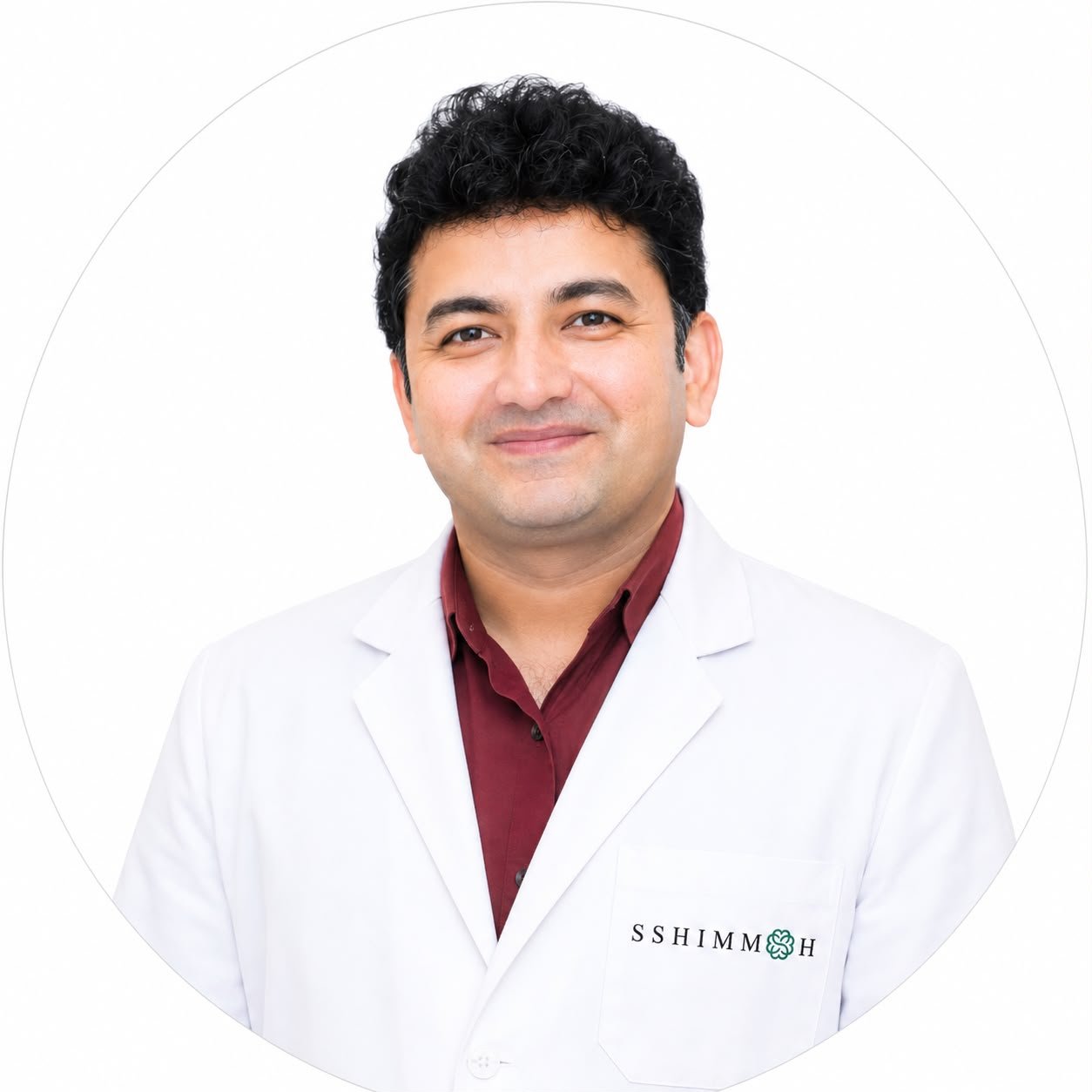
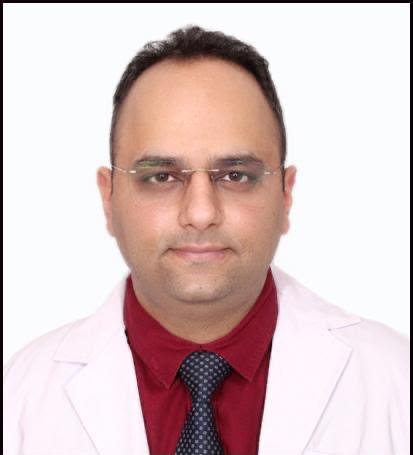
Expertise meets empathy. Our world-class team is here for you.





Fill out the form below and our intake coordinator will reach out to you within 24 hours.