
Art therapy is a powerful, evidence-informed approach that uses creative expression to support emotional healing and mental wellbeing. If words have ever failed to capture how you feel, you are not alone, and this is exactly where creative expression shines. At SSHIMOH in Noida, we have seen how painting, drawing, and other hands-on activities help people process emotions that are otherwise hard to speak aloud, offering relief and insight in equal measure.
You do not need to be a talented artist to benefit. This form of therapy is not about producing a masterpiece; it is about the process of creating and what it unlocks inside you. In this guide, we explore the benefits and techniques of creative expression for the mind and how it can strengthen your mental health, whether you are managing stress, anxiety, or a deeper emotional wound.
What Is Art Therapy?
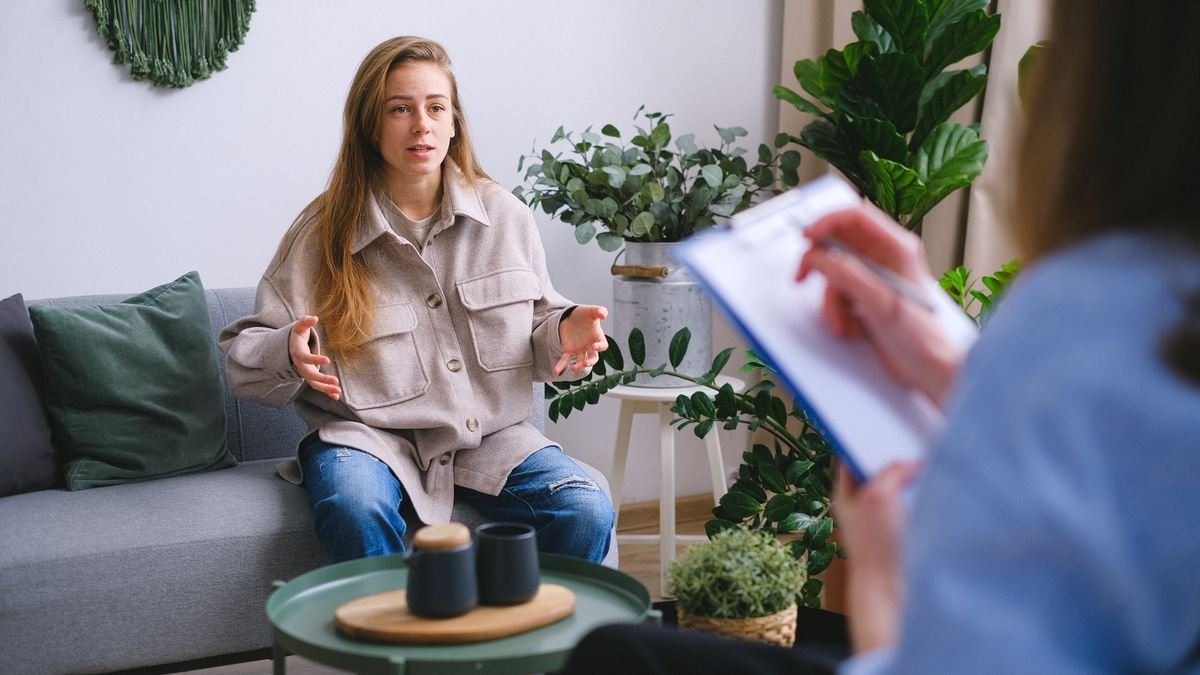
Art therapy is a form of psychotherapy that uses creative methods such as drawing, painting, sculpting, and collage, guided by a trained therapist, to improve mental and emotional health. It blends psychological insight with the natural healing power of creativity, giving feelings a shape and a voice.
Unlike a casual art class, sessions are led by professionals who help you explore the emotions and meanings behind what you create. The focus is never on skill or the final result; it is on you. The American Psychological Association recognises creative and expressive therapies as valuable complements to traditional talk therapy, especially for people who find it hard to verbalise their experiences or who feel stuck when asked to simply "talk about it."
Key Benefits of Art Therapy for Mental Health
The benefits of this creative approach reach across emotional, cognitive, and even physical wellbeing. Because making things engages the whole brain and body, it can reach places that conversation alone sometimes cannot, quietly loosening tension and unlocking self-understanding.
Emotional and psychological benefits
- Reduces stress and anxiety by promoting relaxation and focus
- Provides a safe outlet for difficult emotions like grief, anger, or fear
- Improves self-awareness and self-esteem
- Helps process trauma at a comfortable, controllable pace
- Encourages mindfulness and being present in the moment
- Builds a sense of accomplishment and calm
Cognitive and physical benefits
- Improves focus, memory, and problem-solving through creative thinking
- Lowers blood pressure and heart rate as the body relaxes
- Supports better sleep by easing a restless, overactive mind
- Enhances fine motor skills, which is valuable for older adults
For people managing anxiety or depression, art therapy can be a gentle, non-threatening way to begin healing when words feel too heavy. It also complements approaches like trauma and PTSD treatment, allowing painful memories to be expressed safely rather than relived all at once.
Why creativity soothes the mind
There are practical reasons this works. Making art naturally shifts attention away from anxious thoughts and into the present moment, much like meditation. The repetitive, absorbing nature of colouring, sketching, or moulding clay can calm the nervous system and lower the body's stress response. Creating something tangible also restores a sense of control and accomplishment, which is deeply reassuring when life feels chaotic. The National Institute of Mental Health highlights that psychotherapies and complementary approaches can meaningfully improve wellbeing, and creative methods give many people an accessible way in.
Who Can Benefit From Creative Therapy?
One of the greatest strengths of this approach is its versatility. It can help people of all ages and backgrounds, from young children to older adults, and it adapts easily to different abilities and comfort levels.
It is particularly helpful for:
- Children who struggle to express feelings in words
- People recovering from trauma or abuse
- Individuals coping with anxiety, depression, or chronic stress
- Those in addiction recovery seeking healthy coping tools
- Older adults, including those managing dementia or isolation
- Anyone who feels emotionally blocked or overwhelmed
Because it meets people exactly where they are, creative therapy is often integrated into broader treatment plans alongside counselling and medical care, enhancing rather than replacing other support.
Popular Art Therapy Techniques
There are many techniques a trained therapist may use, each chosen to suit your needs and comfort level. You can also try some gentle versions at home to support your everyday wellbeing.
Common techniques
- Free drawing or painting to express current emotions without rules or expectations
- Mandala colouring to encourage calm, focus, and mindfulness
- Collage making to explore identity, goals, or feelings using images
- Clay and sculpture work to release tension through touch and movement
- Journaling with art to combine words and images for deeper reflection
- Guided imagery drawing to visualise a safe place or a hopeful future
A therapist helps you reflect on your creations, gently uncovering insights and supporting your emotional growth without ever judging the artwork itself. To explore this approach with a professional, learn more about our art therapy programme designed around your personal goals.
Simple Creative Exercises to Try at Home
While professional guidance offers the deepest benefits, these easy exercises can support your daily mental health and help you feel calmer and more grounded:
- Emotion colour chart: Paint or scribble colours that match how you feel today, with no need to explain them.
- Gratitude drawing: Sketch three things you are grateful for.
- Worry release: Draw what is stressing you, then transform, cover, or tear the paper.
- Mindful doodling: Let your pen wander freely for ten minutes without a goal.
- Vision collage: Cut out images that represent hopes for your future.
- Nature-inspired art: Draw or paint a calming place, real or imagined, that feels safe.
Do not worry about how the finished piece looks. If a particular exercise stirs up strong emotions, that is completely normal, and it may be a sign to explore those feelings with a professional who can support you safely. These practices pair well with other stress-management strategies and can become a soothing daily ritual. If you would like to understand your emotional wellbeing better, our confidential self-assessment is a helpful starting point.
Getting started with simple materials
You do not need fancy supplies to begin. A pencil and paper, a set of crayons, watercolours, old magazines for collage, or even a lump of modelling clay are more than enough. Set aside a quiet ten or fifteen minutes, silence notifications, and give yourself permission to create without judging the result. There is no need to show anyone your work or explain it. The value lies entirely in the act of expressing yourself and noticing how you feel afterward, whether lighter, calmer, or simply more present.
When to Seek Professional Art Therapy
At-home creativity is wonderful for everyday wellbeing, but working with a qualified therapist is recommended when you are dealing with persistent distress, trauma, or a diagnosed mental health condition. A professional ensures the process is safe, guided, and genuinely therapeutic, especially when strong emotions or memories rise to the surface.
This creative approach works beautifully alongside other treatments such as cognitive behavioural therapy and medication when needed. At SSHIMOH in Noida, our team designs personalised plans that may combine creative therapy with evidence-based care for the best possible outcomes, always tailored to your pace and comfort. If you are caring for a child, an older relative, or someone in recovery, we can help you understand how expressive methods might fit into their overall support.
Frequently Asked Questions
Do I need to be good at art to benefit from art therapy?
Not at all. This approach is about the process of creating and self-expression, not artistic skill. There is no right or wrong way to create, and no judgment. The goal is emotional exploration and healing, not producing a beautiful artwork.
What conditions can creative therapy help with?
It can support people managing anxiety, depression, trauma, PTSD, stress, grief, and addiction, among others. It is also used with children, older adults, and those who find it hard to express feelings in words. It often works best alongside other treatments.
How is it different from an art class?
An art class teaches technique and skill, while this form of therapy uses creativity as a tool for emotional healing, guided by a trained therapist. The focus is on your feelings, insights, and wellbeing rather than the final product.
How long does it take to show results?
This varies by person and goal. Some people feel calmer and more self-aware after just a few sessions, while deeper healing from trauma may take longer. Consistency and working with a skilled therapist improve results over time.
Is this type of therapy suitable for children?
Yes, it is especially effective for children, who often express emotions more easily through drawing and play than through words. It provides a safe, age-appropriate way to process feelings and build healthy coping skills.
Begin Your Creative Path to Healing
Art therapy offers a gentle, powerful way to understand your emotions, reduce stress, and support your mental health, no artistic talent required. Whether you are navigating anxiety, trauma, or simply seeking greater balance, creative expression can be a meaningful part of your healing journey. The compassionate team at SSHIMOH in Noida is ready to guide you at a pace that feels right. To explore this approach and personalised care, book a consultation today or call us at +91 72669 93399. Your healing can begin with a single brushstroke.