
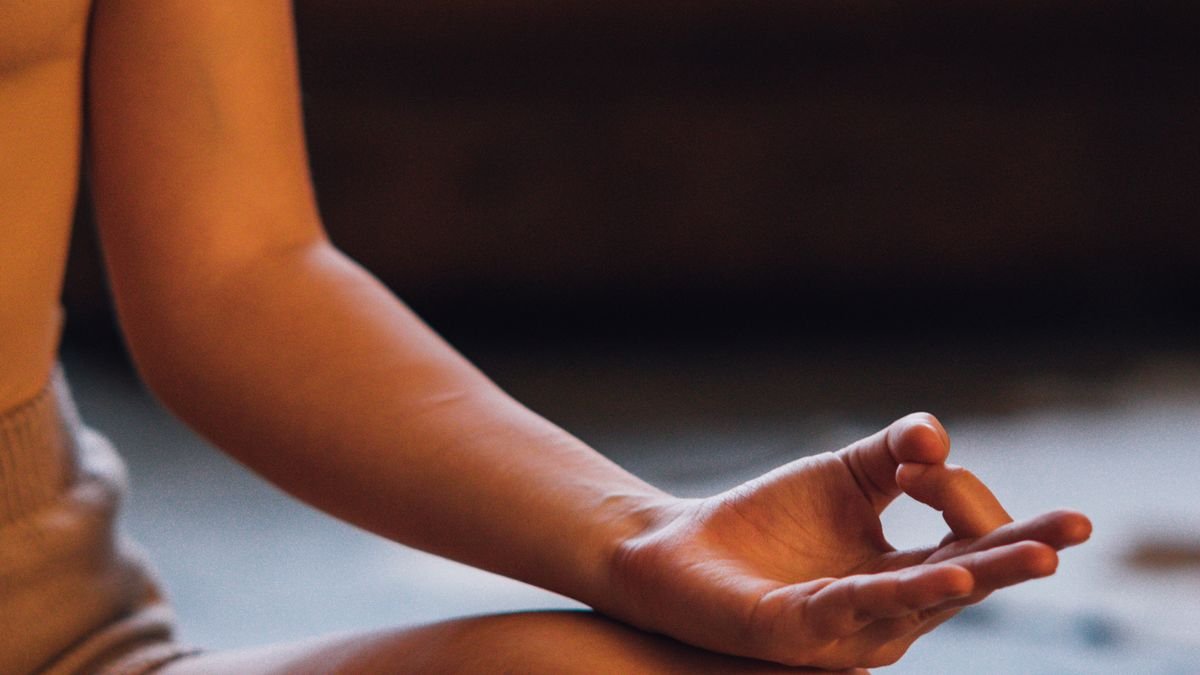
Yoga for anxiety has deep roots in India, and modern science is now confirming what practitioners have known for centuries: that mindful movement and breath can profoundly calm a restless mind. If you live with anxiety or low mood, you may have found that your thoughts race, your body stays tense and rest feels out of reach. Yoga and meditation offer a gentle, accessible way to soothe the nervous system and reconnect with a sense of calm.
At SSHIMOH in Noida, we often recommend these practices alongside professional care, because they complement therapy and medication beautifully. This guide explores how yoga and meditation support mental health, which practices help most, and how to begin safely, whatever your fitness level. You do not need special equipment, a flexible body or years of experience to start; you only need a few quiet minutes and a willingness to be gentle with yourself.
Why Yoga for Anxiety and Depression Works
The reason yoga for anxiety is so effective lies in the mind-body connection. Anxiety and depression are not only mental experiences; they live in the body as tension, shallow breathing and a nervous system stuck in overdrive. Yoga works directly on this physical dimension, activating the body's relaxation response and lowering stress hormones.
Slow, mindful movement paired with steady breathing shifts you out of fight-or-flight and into a state of rest and repair. Over time, this can reduce the frequency and intensity of anxious episodes and gently lift low mood. The World Health Organization recognises physical activity and mind-body practices as valuable supports for mental health, as outlined in its mental health resources.
Scientists believe several mechanisms are at work. Yoga appears to lower levels of cortisol, the body's main stress hormone, while gently increasing gamma-aminobutyric acid, a brain chemical associated with calm and relaxation. Regular practice also improves heart rate variability, a marker of a flexible, resilient nervous system that can move smoothly between alertness and rest. Perhaps most importantly, yoga cultivates a quality of mindful attention. As you focus on the sensations of breath and movement, the mind has less room to spiral into worry about the past or future, gradually loosening the grip of anxious rumination.
Key benefits for mental health
- Calms the nervous system and reduces stress hormones
- Improves sleep quality and eases restlessness
- Builds body awareness and reduces rumination
- Boosts mood-supporting brain chemistry
- Creates a gentle sense of routine and self-care
The Power of Breath: Pranayama for Calm
Breath is the bridge between body and mind, and controlled breathing, or pranayama, is one of the fastest ways to calm anxiety. When we are anxious, our breathing becomes rapid and shallow; deliberately slowing it signals safety to the brain.

Gentle breathing practices to try
- Diaphragmatic breathing — breathe deeply into your belly rather than your chest.
- Nadi Shodhana — alternate nostril breathing, wonderful for balancing a busy mind.
- Extended exhale — inhale for four counts, exhale for six or eight to deepen calm.
- Bhramari — a soft humming breath that soothes the nervous system.
These breathing exercises can be practised anywhere and are especially helpful during moments of acute anxiety. They pair well with the coping tools taught in cognitive behavioral therapy.
Yoga Poses and Meditation for Low Mood
Certain gentle yoga poses are particularly grounding for anxiety and depression. You do not need to be flexible or experienced; the aim is comfort and presence, not perfection.
Calming poses to explore
- Child's Pose — a restful posture that feels safe and enclosing
- Legs-Up-the-Wall — soothes the nervous system and eases fatigue
- Cat-Cow — gentle spinal movement synced with breath
- Corpse Pose with body scan — deep relaxation and release
When practising these poses, move slowly and listen to your body, never forcing or straining. Rest in each posture for several breaths, allowing your muscles to soften and your mind to settle. If any pose causes pain, ease out of it gently; yoga should feel supportive, not punishing. For anyone with a physical condition or injury, it is wise to check with a doctor or a qualified instructor first.
Alongside movement, meditation for anxiety trains the mind to observe thoughts without being swept away by them. Even five minutes of daily mindfulness can, over weeks, reshape how you relate to worry. If you are new to it, guided meditations are a friendly place to start.
Simple meditation techniques to begin with
- Breath awareness — rest your attention on the natural rhythm of your breathing, returning gently whenever the mind wanders.
- Body scan — slowly move your attention through the body, noticing and releasing tension.
- Loving-kindness — silently offer goodwill to yourself and others, which softens self-criticism.
- Mantra or sound — repeating a calming word or sound gives the mind a gentle anchor.
There is no single correct way to meditate, and the practice is not about achieving a blank mind. Each time you notice your attention has drifted and bring it back, you are strengthening the mental muscle that helps you step out of anxious spirals in daily life. Approached with patience and kindness, meditation becomes less of a task and more of a quiet refuge you can return to whenever you need it.
Building a Sustainable Practice
The benefits of yoga and meditation grow with consistency, so a little each day beats an occasional long session. Start small and let the habit build naturally. Many people find it easier to stick with a practice when they attach it to something they already do, such as rolling out a mat right after waking, or meditating for a few minutes before bed. Linking a new habit to an existing routine removes the need for willpower and helps it become second nature.
- Begin with just 10 minutes a day at a set time
- Create a quiet, comfortable corner for your practice
- Be patient and gentle; there is no need to "empty the mind"
- Combine practice with other supports such as good sleep and connection
These practices work best as part of a wider approach to wellbeing. If low mood lingers, our guide to the early signs of depression can help you know when to reach out, and our depression care services are here for you.
When Yoga Is Not Enough on Its Own
Yoga and meditation are wonderful supports, but they are not a replacement for professional treatment when anxiety or depression is moderate to severe. Think of them as powerful allies that work best alongside therapy and, where needed, medical care. If you find that low mood, hopelessness or anxiety persists despite a regular practice, that is not a sign that you have failed or that yoga does not work for you. It simply means you deserve additional support. Depression and anxiety are genuine health conditions, and seeking treatment for them is as sensible as seeing a doctor for any other persistent symptom.
If your symptoms are persistent or interfering with daily life, a confidential self-assessment is a helpful first step. Our clinicians can then guide you toward the right blend of support for lasting wellbeing.
Reputable health bodies such as the National Institute of Mental Health emphasise that anxiety and depression are medical conditions deserving proper care, and their health topics offer trustworthy, evidence-based information. Yoga and meditation sit beautifully within this bigger picture. Used together with therapy, medication where appropriate, and a supportive routine, they form part of a holistic approach that honours both body and mind. You do not have to choose between ancient wisdom and modern medicine; the two can work hand in hand for your healing.
Frequently Asked Questions
Can yoga really help with anxiety?
Yes. Research shows that yoga for anxiety can lower stress hormones, calm the nervous system and reduce anxious symptoms. It works especially well as part of a broader plan that may include therapy or medication.
How often should I practise yoga for mental health?
Consistency matters more than duration. Even 10 to 20 minutes daily can bring noticeable benefits over a few weeks. A regular, gentle routine is more effective than occasional intense sessions.
Which yoga is best for depression?
Gentle, restorative styles that emphasise breath and relaxation, such as Hatha or restorative yoga, tend to help most with depression. Grounding poses and slow breathing are particularly soothing.
Can meditation replace medication for anxiety?
Meditation is a valuable support but should not replace prescribed treatment without medical advice. For moderate to severe anxiety, it works best alongside professional care rather than instead of it.
I cannot stop my thoughts during meditation. Am I doing it wrong?
Not at all. The goal is not to stop thoughts but to notice them gently and return to your breath. Wandering is normal and part of the practice itself.
A Calmer Mind Is Within Reach
Yoga for anxiety and meditation offer a gentle, time-honoured path toward a calmer, more balanced mind, and they belong to all of us. Paired with compassionate professional care, they can be a powerful part of your healing. If anxiety or depression is weighing on you, the caring team at SSHIMOH in Sector 117, Noida is ready to support you. Book a consultation or call +91 72669 93399 to begin your journey toward peace of mind.