
In early November 2026, Noida police reported arresting two men accused of supplying ganja packed to look like e-commerce parcels. According to ETV Bharat's report, orders were taken on WhatsApp and the customers were students and young people living in PGs, hostels, colleges and flats across Delhi NCR.
If you are a parent, stories like this raise an uncomfortable question. The most reliable signs of drug use in teenagers and young adults are changes rather than single clues: in mood, sleep, friends, money, studies and daily routine, sometimes with a smell or object you cannot explain. No one sign proves anything, because many of them are also part of ordinary adolescence, stress or depression. What matters is a pattern of change that lasts.
If you are seeing that pattern, the most useful next step is a calm conversation, not a raid, followed by a proper assessment if your worry does not go away.
What young people in India are most likely to use
The National Drug Dependence Treatment Centre (NDDTC) at AIIMS, New Delhi, carried out a national survey in 2018 for the Ministry of Social Justice and Empowerment, interviewing more than 4.7 lakh people across all 36 states and union territories. It was published in 2019 as Magnitude of Substance Use in India. Tobacco was not part of it. According to the government's summary of its findings:
- Alcohol was the most commonly used of the substances studied: about 14.6% of people aged 10–75 were current users.
- Cannabis came next: about 2.8% had used a cannabis product (bhang, ganja or charas) in the past year.
- Inhalants were the only category where current use was higher among children and adolescents (1.17%) than adults (0.58%).
These are national averages from survey data collected in 2018, not a picture of any particular college or city. They are a reminder that alcohol and ganja, not only “hard drugs”, are the substances parents are most likely to meet. Our article on cannabis (ganja) addiction and its effects explains why regular ganja use in the teens and early twenties deserves attention.
Signs of drug use in teenagers: what to look for
The US National Institute on Drug Abuse lists changes such as hanging out with different friends, not caring about appearance, lower grades, missing classes, losing interest in favourite activities, trouble at school or with the law, different eating or sleeping habits, and more problems with family and friends. The clearest sign of a problem is carrying on despite the harm it is causing.
Mood and behaviour
- New irritability, secrecy or anger when asked simple questions.
- Loss of interest in sport, hobbies or old friends.
- Unusual giggliness, slowness or restlessness at odd times.
Sleep, health and appearance
- Sleeping through the day, up all night, or big changes in appetite.
- Red eyes, frequent use of eye drops, a persistent cough.
- Less care about hygiene or clothes.
Friends, money and studies
- A new friend group they will not talk about.
- Money running out early, borrowing, or things going missing at home.
- Falling marks, attendance warnings, or vague answers about classes.
Smells and objects
- A sweet, skunky or smoky smell on clothes or in a room, often covered with perfume or incense.
- Rolling papers, small zip-lock bags, lighters, burnt foil or unexplained small parcels.
Several of these signs overlap with depression, anxiety, ADHD or simply growing up. If you are unsure which it is, our guide to teenage mental health signs may help you see the wider picture.
College student drug use: when your child lives in a hostel or PG
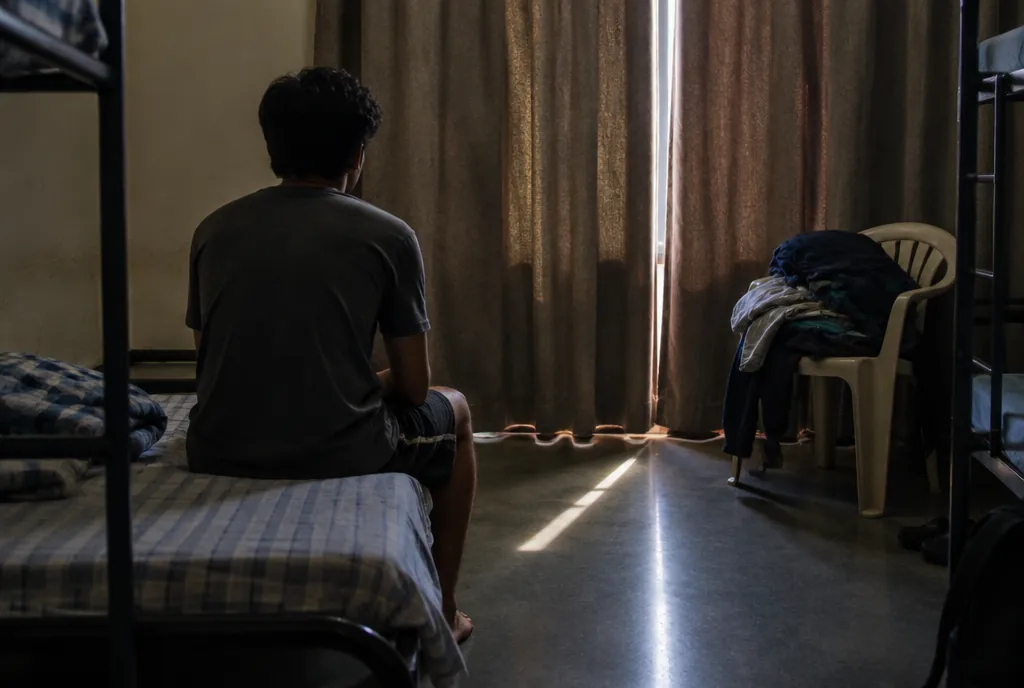
Many young people in Noida and Greater Noida live away from home for college or coaching, and you see far less of their daily life. The signs then show up differently:
- Calls that are missed for days, or happen at odd hours.
- Requests for money that keep rising, with shifting explanations.
- Attendance or conduct emails from the college.
- Coming home thinner, exhausted, or keen to leave early.
Stay in regular contact without interrogating: video calls, visits that are planned but frequent, getting to know flatmates and the warden. Interest is protective. Surveillance usually is not.
What to do if your child is using drugs: starting the conversation
How you begin often decides whether you get honesty or a slammed door. The NIDA Family Checkup guide for parents suggests choosing a time when you can give your full attention, having a plan, staying calm and limiting distractions. It also recommends showing interest and concern rather than blaming or accusing.
- Start with what you have noticed, not a verdict: “You have been sleeping until afternoon and seem low. I'm worried. What's going on?”
- Ask, then listen. Let silences sit. You will learn more from the second answer than the first.
- Separate the person from the behaviour. “I love you and I'm not OK with this” can both be true.
- Agree one next step, such as a consultation, a check-in after exams or a cut-down plan you will review together.
If you feel your anger rising, the same guide offers a simple rule, CALM: control your thoughts and actions; assess whether you are too upset to continue; leave the situation if you are; and make a plan to deal with it within 24 hours.
What not to do
- Do not raid the room in front of siblings or friends. Public shaming pushes use further underground.
- Do not make threats you will not keep, such as stopping all money or disowning them.
- Do not talk while they are intoxicated. Wait until they are sober.
- Do not try home “detox” with tablets or remedies bought without a prescription.
- Do not go it alone. Involve the other parent or one trusted adult, and get professional advice.
Experimenting or addiction?
Trying something once or twice at a party is not the same as a substance use problem, though it still deserves a conversation. Warning signs that it is more than experimenting include:
- Using regularly, alone, or first thing in the day.
- Needing more to get the same effect.
- Trying to cut down and not managing it.
- Carrying on despite falling marks, lost friends or trouble at home.
- Using more than one substance, or mixing them.
A psychiatrist can assess the pattern, look for depression, anxiety or ADHD underneath it, and recommend outpatient therapy, family sessions or, when needed, a more structured programme. Our free self-assessment tests are a private starting point, and you can read about our de-addiction centre in Noida if you need more than a single consultation.
Safety first: overdose and mixing substances
Be especially alert to mixing. The US National Institute on Alcohol Abuse and Alcoholism warns that combining alcohol with anxiety medicines, sleeping pills or opioid painkillers can cause slowed or difficult breathing and raises the risk of overdose.
Call 112 immediately if your child cannot be woken, is breathing slowly or irregularly, has blue lips, has a seizure, or is severely confused or agitated. Stay with them; if they are breathing but not responding, lie them on their side. For worries about self-harm or suicide, call Tele-MANAS on 14416 (free, 24/7) or go to the nearest emergency department.
Tele-MANAS is also there for parents who simply need to talk through what to do next.
Frequently asked questions
How do I know if my son is taking drugs?
Look for a pattern of change over weeks: new friends he will not discuss, sleep and appetite shifts, falling marks, money disappearing, secrecy and irritability, sometimes red eyes or an unusual smell. None of these alone proves drug use. If several appear together and persist, talk to him calmly and consider a professional assessment.
What are the signs of ganja use?
Common signs include red eyes, a sweet or skunky smell on clothes, increased appetite, sleepiness or sleeping late, low motivation, slowed reactions and unusual giggliness. Rolling papers, small zip-lock bags and lighters are physical clues. According to NIDA, regular heavy use in adolescence is linked with poorer memory and school performance, and starting young raises the risk of cannabis use disorder.
Should I search my child's room or phone?
If you believe there is immediate danger, safety comes first. Otherwise, a search usually damages trust more than it helps, and you may find nothing. Start with a direct, calm conversation about what you have noticed. If you do find something, use it as the start of a conversation rather than as evidence in a trial.
Can my child get treatment without being admitted?
Often, yes. Many young people are treated as outpatients, with regular sessions with a psychiatrist and psychologist, family involvement and treatment of any depression, anxiety or ADHD. Admission is usually considered when use is heavy, withdrawal needs medical supervision, there is a risk of harm, or outpatient care has not worked.
Talk to us
You do not have to be certain before asking for help. Many parents find it useful to speak to a professional on their own first, to make sense of what they are seeing and plan how to raise it.
SSHIMOH is a psychiatrist-led mental-health and de-addiction centre in Sector 117, Noida, about 3 km from Noida Sector 76 metro station on the Aqua Line. Our child and adolescent psychiatrists see young people up to 18, and our adult psychiatrists see college students and young adults, in person or online. You can book a confidential appointment or call or WhatsApp +91 72669 93399.
Sources
- ETV Bharat (Hindi), Noida: drug supply disguised as e-commerce parcels busted, two arrested (5 November 2026)
- Press Information Bureau, NDDTC, AIIMS submits report “Magnitude of Substance Use in India” to Ministry of Social Justice and Empowerment (18 February 2019)
- National Institute on Drug Abuse, What are the signs of having a problem with drugs?
- National Institute on Drug Abuse, Family Checkup: Positive Parenting Prevents Drug Abuse
- National Institute on Alcohol Abuse and Alcoholism, Harmful Interactions: Mixing Alcohol with Medicines
- National Institute on Drug Abuse, Cannabis (Marijuana) DrugFacts (2024)
General information, not a diagnosis or medical advice. If you are worried about your child, speak to a qualified professional. In an emergency, call 112 or Tele-MANAS on 14416.