
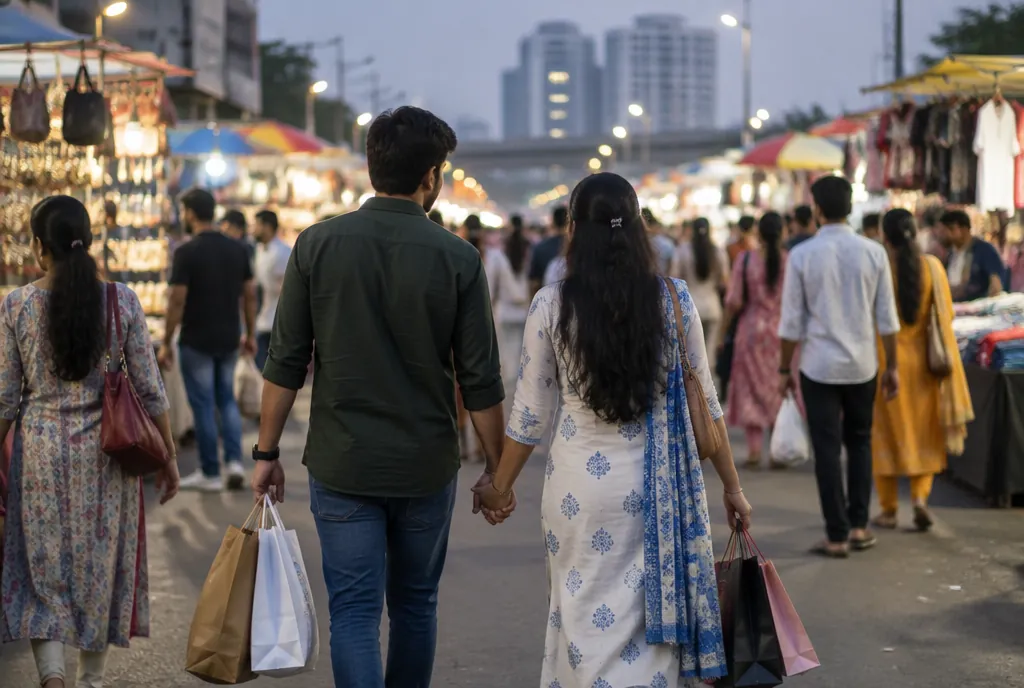
The cards are printed, the venue is booked, relatives are calling every day, and you are lying awake at 3 am wondering whether you are doing the right thing. If that sounds familiar, you are in good company. Pre-wedding anxiety is something many brides and grooms go through, in arranged and love marriages alike.
Most of the time it is a normal response to one of the biggest changes in adult life: a new relationship status, often a new home, a new family and new expectations, all arriving on a fixed date in front of hundreds of people. For many people it eases once the day has passed and life settles into a routine. It deserves a closer look when the doubts are about whether you feel safe and respected with this person, when anxiety is stopping you sleeping or functioning for weeks, or when you feel pressured into the marriage.
This guide covers how to tell the difference, how to cope in the final weeks, and what premarital counselling involves.
Is it normal to have doubts before marriage?
Yes, in most cases. “Cold feet” is a familiar phrase for a reason. The useful question is not whether you have doubts but what they are about.
Doubts about change sound like: “Will I manage living with his family?”, “What if I miss my parents?”, “Will we cope with money?”, “What if we are not compatible in bed?” These are fears about a new life. They often shrink when they are talked through.
Doubts about the person sound different: “I feel afraid of his temper”, “She does not respect my decisions”, “I have been told I have no choice.” These are about safety, respect and consent, and they do not go away by being ignored.
A few questions can help you sort one from the other. Do I feel safe with this person? Do I feel listened to when I disagree? Is my fear mostly about the wedding and the move, or about the marriage itself?
Why pre-wedding anxiety runs high in Indian weddings
Weddings in India are rarely a private event between two people. Several pressures tend to land at once:
- Little time to get to know each other, especially in arranged marriages where the engagement may be short. Being nervous about an arranged marriage is understandable when you are committing to someone you have met only a handful of times.
- Family approval, particularly in love marriages where one family is still unhappy.
- Moving home, often into a joint family, sometimes to a new city and away from work, friends and support.
- Intimacy and sexual health worries that many people have never been able to discuss with anyone.
- Logistics and money: budgets, guest lists, rituals, and relatives' opinions on all of it.
- Expectations about careers, children, household roles and who decides what.
None of these means something is wrong. Together they explain why so many people feel overwhelmed in the weeks before.
Anxiety before the wedding: symptoms that need attention
Ordinary nerves look like butterflies, a few bad nights, irritability and a lot of overthinking. They come and go.
It is worth getting help if you notice:
- Sleeping badly on most nights for weeks.
- Not eating, or constant nausea and stomach upsets.
- Dread that does not lift, even on calm days.
- Avoiding your partner or the wedding preparations entirely.
- Using alcohol or sleeping pills you were not prescribed to get through.
- Panic attacks.
The NHS lists panic attack symptoms such as a racing heartbeat, sweating, shortness of breath, trembling, chest pain, dizziness, a choking sensation and a feeling of dread, and notes that most panic attacks last between 5 and 20 minutes. If you have chest pain or breathlessness that has never been checked, see a doctor first to rule out a physical cause. Our article on panic attacks vs anxiety attacks explains the difference.
If you are not sure how much anxiety is affecting you, our free anxiety self-assessment is a private place to start. If anxiety ever comes with thoughts of harming yourself, call Tele-MANAS on 14416 (free, 24/7), or 112 in an emergency.
When it is not nerves: pressure, coercion and safety
Not every doubt means “don't marry”. But some situations are not anxiety to be managed. Being forced or threatened into a marriage, having your phone or movements controlled, or being afraid of violence from your partner or either family are safety problems, and coping strategies are not the answer.
If you are in danger now, call 112. The national Women Helpline, 181, provides 24-hour support and can link women to the police, One Stop Centres, hospitals and legal services, according to the Ministry of Women and Child Development.
You can also speak to a counsellor or psychiatrist in confidence about what is happening. Our job is to help you think clearly and stay safe, not to judge you or your family.
What premarital counselling involves
Premarital counselling is a set of conversations, usually as a couple and sometimes partly alone, with a trained psychologist or counsellor. It is not a compatibility test and nobody “fails”. Common topics include:
- Communication and conflict: how each of you argues, goes quiet or makes up.
- Expectations: careers, where you will live, children, household roles, time with friends.
- Money: earning, spending, saving, and supporting parents.
- Family boundaries: how decisions will be made with in-laws, and what each of you needs.
- Sexual health and intimacy: questions and fears, in a setting where they can be asked without embarrassment.
- Health, including how to talk about any mental health history openly.
Does it help? A 2008 meta-analysis in the Journal of Consulting and Clinical Psychology of marriage and relationship education, drawing on 117 studies, found small-to-moderate improvements in relationship quality and communication skills in experimental studies. The authors noted important gaps: the samples lacked ethnic and economic diversity, and outcomes such as long-term stability were rarely measured. So the evidence is encouraging rather than conclusive, and most of it does not come from Indian couples.
Our couples therapy team also sees couples who are preparing for marriage, and if worry about the relationship itself is the main issue, our guide to relationship anxiety may help.
Coping with pre-wedding anxiety in the final weeks
The NHS self-help advice for anxiety is a good base: talk about your feelings, try calming breathing exercises or yoga, get enough sleep, exercise regularly, eat regular meals, go easy on tea, coffee and energy drinks, and do not use alcohol or cigarettes to relieve anxiety. In wedding terms:
- Protect sleep. Set a cut-off time for wedding calls and messages.
- Hand over logistics. Give one trusted sibling or friend the vendor list.
- Keep moving. A daily walk does more than another hour on the seating plan.
- Have one honest conversation with your partner about the big topics, rather than many anxious ones in your head.
- Spend time together that is not about the wedding.
- Set a limit with relatives: “We have decided, thank you” is a complete sentence.
Frequently asked questions
Is it normal to have doubts before marriage?
Yes. Many people feel doubts before a wedding, especially about leaving home, joining a new family, money or intimacy. Doubts about change usually ease when talked through. Doubts about safety, respect or being pressured into the marriage are different and deserve to be taken seriously, with professional support if needed.
Can pre-wedding anxiety cause panic attacks?
It can. Stress and poor sleep in the weeks before a wedding can trigger panic attacks in some people, with a racing heart, breathlessness, sweating and a sense of dread. Most attacks pass within minutes. If they keep happening, or you have unexplained chest pain, see a doctor and consider talking to a mental health professional.
Do we need premarital counselling if nothing is wrong?
No one needs it, but many couples find it useful precisely because nothing is wrong yet. It gives you a structured space to talk about expectations, money, family boundaries and intimacy before habits set in. Research on relationship education suggests small-to-moderate improvements in communication and relationship quality.
I am nervous about an arranged marriage. What can help?
Ask for more time together before the wedding, including some conversations without family present. Talk about the practical things: work, where you will live, money, children and how decisions will be made. Notice how the other person responds when you disagree. Premarital counselling can give you both a structured, private space for these conversations.
Should I call off the wedding if I have cold feet?
Do not make that decision in the middle of a panic or a sleepless night. First work out whether your fear is about change or about the person. If you feel unsafe, coerced or disrespected, that is a serious reason to pause and get support. If it is mostly nerves, talking it through often brings clarity.
Getting support before the big day
Whether you want premarital sessions as a couple or a confidential conversation on your own, our psychologists and psychiatrists can help. We offer anxiety treatment in Noida at our centre in Sector 117, about 3 km from Noida Sector 76 metro station on the Aqua Line, and online consultations if you or your partner live in another city. You can book an appointment or call or WhatsApp +91 72669 93399.
Sources
- Hawkins AJ, Blanchard VL, Baldwin SA, Fawcett EB. Does marriage and relationship education work? A meta-analytic study. Journal of Consulting and Clinical Psychology, 2008
- NHS, Generalised anxiety disorder: self-help
- NHS, Panic disorder
- Press Information Bureau, Setting up of Women Helpline in the country (Ministry of Women and Child Development, 22 March 2023)
- Press Information Bureau, Update on National Tele Mental Health Programme (Tele-MANAS 14416), 4 April 2025
General information, not a diagnosis or medical advice. If you are worried about your mental health or your safety, speak to a qualified professional. In an emergency, call 112; for mental health support, call Tele-MANAS on 14416.